
The 5 Cruise Deal Types to Check Before You Book
Not every cruise deal is the same kind of value. Learn five deal types—verified price drops, balcony value, last-minute escapes, historic lows, and better sailing dates—so you can compare fares intelligently before you book.


Why not every cruise deal is the same kind of value
Scroll any cruise site and you will see banners for 50% off, balcony steals, and sail-away specials. They are not interchangeable. A steep percentage drop on a suite you will never book is noise. A cheap inside on a ship that does not fit your dates is still a bad trip. The useful question is not "Is this on sale?" but "What kind of deal is this—and does it match how I actually travel?"
Stop Looking Start Booking groups live fares into deal types so you can compare apples to apples: verified price movement, cabin-upgrade math, last-minute windows, historic context, and better weeks on the same route. None of them replace your own budget—but together they turn scrolling into a short checklist before you deposit.
1. Biggest price drops — when movement is real, not marketing
A price drop is valuable because it shows movement from a previously higher tracked fare on our site—not a brochure "was" price we cannot verify. On today's biggest verified price drops, each sailing includes what changed: inside, ocean view, balcony, or suite, and how much that category fell.
What to look at before you click book:
| Question | Why it matters |
|---|---|
| Which cabin category dropped? | A 40% suite cut does not help if you were shopping inside. |
| Same ship and dates you want? | Drops on a different week are inspiration, not your deal. |
| Does the itinerary still fit? | A cheap repositioning is not a substitute for a 7-night Caribbean loop if you need round-trip flights. |
| Landed fare or teaser? | We show taxes and fees included on lead-ins so you compare real checkout math. |
A big percentage is a signal to investigate, not a finish line. Use Check current price drops when you already have a ship or month in mind and want to see whether fares moved in your favor overnight.
Biggest verified price drops right now
Live pricing · Updated dailyCabin-level cuts we can prove—not brochure "was" prices
 Royal CaribbeanLiberty of the Seas
15 Night Spain & Portugal Transatlantic
Matches: 49% off Suite · save $3,799
SuiteBalcony$83 / night$1,252pp · incl. taxesSuite dropped from $7,813 to $4,014 (49% off that category).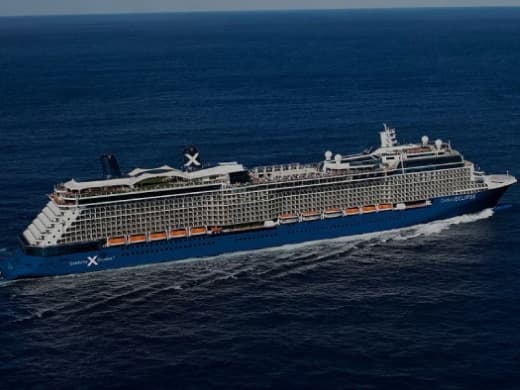 Celebrity CruisesCelebrity Eclipse
11-Night 11 Night Greece
Matches: 49% off Balcony · save $1,795
SuiteInsideBalconyOcean View$131 / night$1,437pp · incl. taxesBalcony dropped from $3,640 to $1,845 (49% off that category).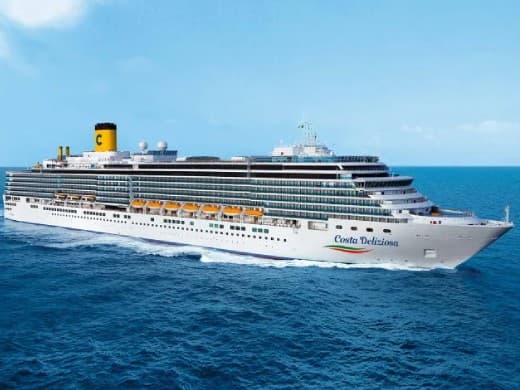 Costa CruisesCosta Deliziosa
Eastern Mediterranean From Marghera
Matches: 50% off Inside · save $1,240
SuiteInsideBalconyOcean View$172 / night$1,201pp · incl. taxesInside dropped from $2,491 to $1,251 (50% off that category).
2. Balcony values — when the upgrade gap shrinks
A balcony deal is not simply "balconies are on sale." The question is whether the balcony upgrade is priced close enough to inside or ocean view that the extra space is worth it for *your* sailing.
We rank balcony cruise deals by how unusually good the balcony fare is versus lower categories on the same package and versus similar sailings—not by the lowest balcony number on the page.
Balcony value matters more when:
- Scenery carries the trip — Alaska, Europe and Mediterranean, Norway, Panama Canal transits, and longer sea days reward private outdoor space.
- You will actually use the balcony — sea-day-heavy itineraries beat port-heavy weeks where you are off the ship from 8 a.m. to 10 p.m.
- Two adults share the cabin — the per-person upgrade cost drops when you split the category gap.
When to ignore the balcony tab: Families in connecting insides, storm-season bargain hunters who only need a bed, or anyone who gets seasick on upper decks. In those cases, a strong inside value fare beats a mediocre balcony "deal."
Best balcony value sailings
Live pricing · Updated dailyBalcony fares unusually close to lower categories
 Costa CruisesCosta Smeralda
Western Mediterranean From Las Palmas
Matches: 56% below similar (Balcony)
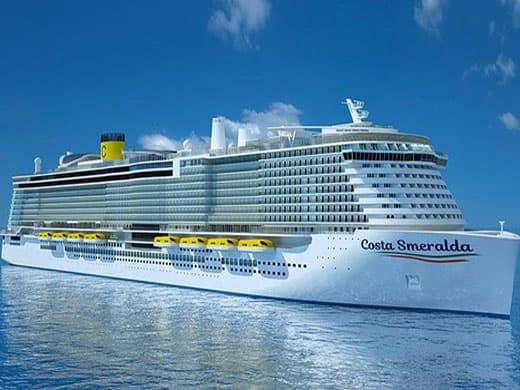
SuiteInsideBalconyOcean View$69 / night$480pp · incl. taxesBalcony from $680 all-in — About $126/night below the $223/night median for similar sailings (Balcony cabin).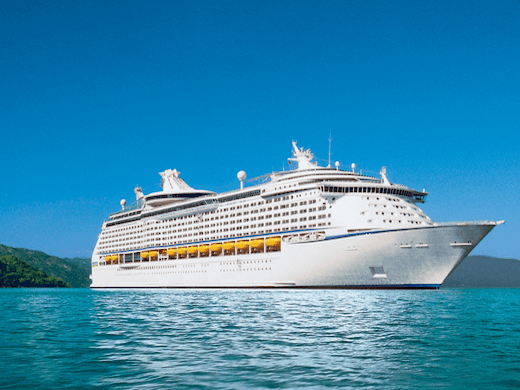 Royal CaribbeanExplorer of the Seas
14 Night Spain & Portugal Transatlantic
Matches: 71% below similar (Balcony)
SuiteInsideBalconyOcean View$69 / night$970pp · incl. taxesBalcony from $1,513 all-in — About $259/night below the $367/night median for similar sailings (Balcony cabin).- Royal CaribbeanExplorer of the Seas
14 Night Spain & Morocco Transatlantic
Matches: 60% below similar (Balcony)
SuiteInsideBalconyOcean View$72 / night$1,009pp · incl. taxesBalcony from $1,439 all-in — About $157/night below the $260/night median for similar sailings (Balcony cabin).
3. Last-minute escapes — flexibility is the fare
Last-minute cruise deals shine when you can leave soon, tolerate limited cabin choice, and keep total trip cost low after travel.
They work especially well if you:
- Live near a homeport — Miami, Fort Lauderdale, Tampa, Galveston, and other hubs where driving beats a last-minute flight.
- Already have passports, time off, and packing lists ready.
- Accept inside or guarantee cabins when balcony inventory is gone.
When last-minute fails the math: Long-haul airfare that costs more than the cabin savings, mandatory pre-cruise hotels because flights land a day early, or a family that needs four connecting rooms. A $399 fare plus $600 flights is not an escape—it is a trap.
Browse last-minute cruise escapes when your calendar opens inside 90 days and you can book the whole trip, not just the ship.
Last-minute escapes
Live pricing · Updated dailyDeparting within 90 days with strong current value
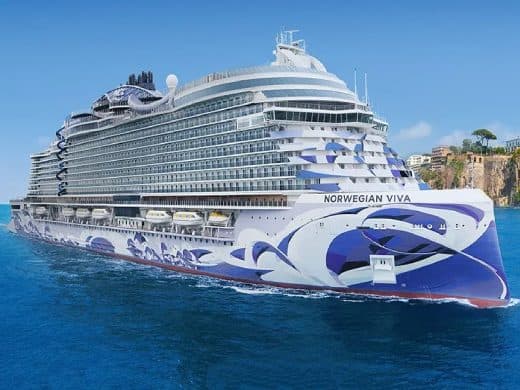 Norwegian Cruise LineNorwegian Viva
Greek Isles & Italy
Matches: 77% below similar
SuiteInsideBalconyOcean View$99 / night$992pp · incl. taxesFrom $99/night — About $327/night below the $426/night median for similar sailings.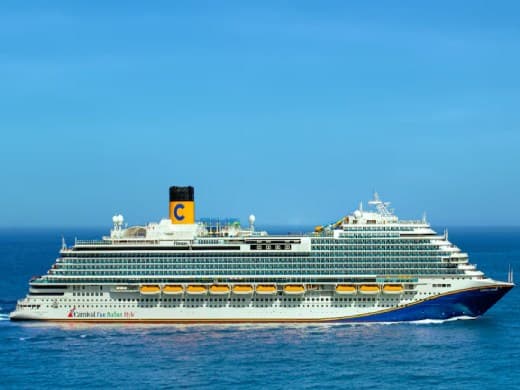 Carnival Cruise LineCarnival Firenze
4-Day Baja Mexico
Matches: 21% below similar
SuiteInsideBalconyOcean View$82 / night$329pp · incl. taxesFrom $82/night — About $22/night below the $105/night median for similar sailings. Viking RiverViking Alsvin
A Tale Of Three Rivers
Matches: 50% below similar
SuiteBalconyOcean View$318 / night$3,499pp · incl. taxesFrom $318/night — About $318/night below the $636/night median for similar sailings.
4. Historic lows and recent lows — context beats "looks cheap"
"Cheap" without history is guesswork. Historic-low and 30-day-low pricing answers a better question: Is this fare low compared with where it has been recently for this package?
On Stop Looking Start Booking you will see badges such as Historic low or 30-day low on individual sailings when sailings we track history supports the claim. That context helps if you have been watching a specific destination, ship class, or month and want to know whether today is a true soft spot—or a normal Tuesday.
How to use it:
- Pair historic context with your must-have dates. A 30-day low on the wrong week still wastes PTO.
- Do not chase historic lows on itineraries you do not want. A record-low fare on a port you dislike is still a poor vacation.
- Compare the same cabin category you plan to book; historic tracking is category-specific.
Start from Browse today's verified cruise deals and filter by destination, then watch the deal labels on cards you are already considering. For broader value (not only movement), best overall value blends price, product, and itinerary fit.
Best overall value
Live pricing · Updated dailyStrong price and fit—including sailings near recent lows
- Costa CruisesCosta Smeralda
Transatlantic From Civitavecchia (Rome)
Matches: 83% below similar
SuiteInsideBalconyOcean View$73 / night$581pp · incl. taxesFrom $73/night — About $363/night below the $435/night median for similar sailings. 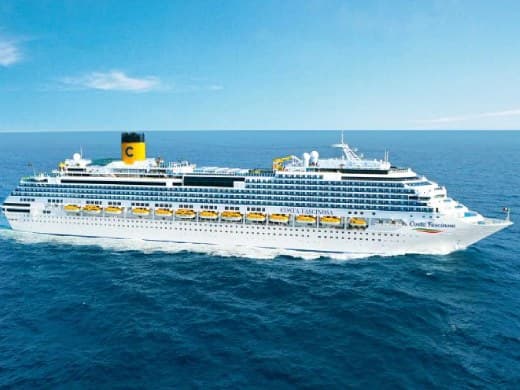 Costa CruisesCosta Fascinosa
7-Night · Costa Fascinosa
Matches: 56% below similar
InsideBalconyOcean View$58 / night$403pp · incl. taxesFrom $58/night — About $73/night below the $131/night median for similar sailings.- Costa CruisesCosta Smeralda
Transatlantic From Savona
Matches: 88% below similar
InsideBalconyOcean View$68 / night$746pp · incl. taxesFrom $68/night — About $484/night below the $551/night median for similar sailings.
5. Same-itinerary better-date savings — flex one week, save hundreds
The same ship on the same route can swing hundreds of dollars by week—school breaks, holidays, and shoulder season all move demand.
Same-itinerary savings means: keep the ports and cruise line you want, shift embarkation one week earlier or later, or choose shoulder season, and let the cheaper sailing come to you.
Practical habits:
- On Search cruise sailings, open the itinerary group and compare adjacent weeks before you fix flights.
- Watch repositioning vs. loop sailings—similar map, very different travel math.
- For Caribbean and Bahamas hops, a Tuesday departure often beats Saturday when schools are out.
- Alaska and Europe rewards are seasonal—compare May vs. July vs. September on the same ship name.
Flexibility is the hidden fare sale. If you can move ±7 days, you often beat any single promo code.

Compare Caribbean weeks on similar itineraries
Live pricing · Updated dailySlide dates on the same route—landed prices include taxes and fees


6. How to use all five deal types together
Think of these as layers, not a pick-one menu:
- Start with itinerary and port — Use cruise search or a destination deals hub to lock route and homeport.
- Check historic / 30-day context — On the sailings you like, read whether the fare is a recent low or just loud marketing.
- Compare cabin categories — If balcony gap is tight, open balcony value; if not, stay inside and bank the difference for excursions.
- Scan verified drops — See if your short list moved since yesterday on price drops.
- Nudge the date — Slide one week and re-run the same search before you buy flights.
- Last-minute only if the whole trip works — Last-minute deals last, after flights and cabins still make sense.
Example: You want a 7-night Western Caribbean from Miami in March. Search Miami + Caribbean, compare three consecutive weeks, note which sailing shows a 30-day low on balcony, confirm a verified drop did not just apply to suites, then book the week that wins on total cost—not the biggest banner percentage.
Closing: shop deals by type, not by hype
The best booking decision is rarely "the biggest discount on the homepage." It is the fare that fits your cabin, dates, ports, and travel costs—and that is what these five deal types are for.
When you are ready, browse today's verified cruise deals, run your short list through the checklist above, and book when the whole trip makes sense—not when a single number shouts the loudest.
More from Stop Looking Start Booking