Infectious Disease Experts Weigh In After MV Hondius Hantavirus Outbreak: What Mainstream Cruisers Should Actually Worry About
After three deaths aboard expedition ship MV Hondius, infectious disease experts tell CNBC mainstream cruisers face far higher odds from flu and norovirus than hantavirus—and share practical habits for summer sailings.
What happened
Three people died and several others grew seriously ill after a hantavirus cluster aboard the expedition vessel MV Hondius in April and May 2026 — a story that has rattled anyone eyeing a summer cruise. On May 20, CNBC published guidance from infectious disease specialists who were clear on the headline for mainstream travelers: this is not a reason to tear up your Caribbean or Bahamas booking.
The specialists stressed that hantavirus is not poised to become a new pandemic and that you are far more likely to pick up the flu, a common cold, RSV, or Covid on a ship than hantavirus. Gastrointestinal bugs such as norovirus can spread in buffet-style dining, they noted — though norovirus outbreaks on cruise ships account for only about 1% of all reported norovirus outbreaks, according to the CDC figures CNBC cited.
Context & details
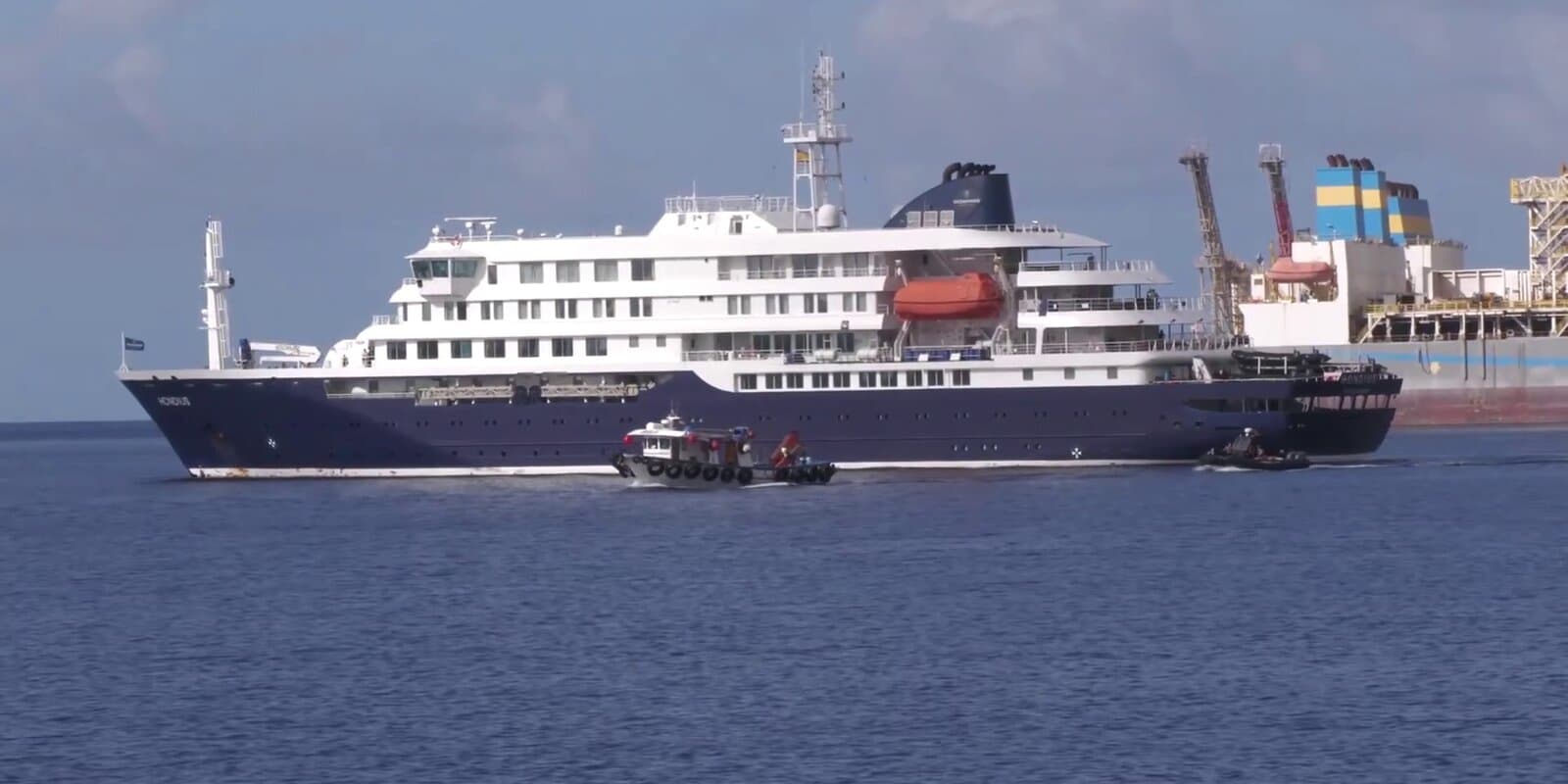
MV Hondius is an Oceanwide Expeditions ice-class ship built for remote polar itineraries — a different world from the 4,000-guest mainstream liners most families book. In a May 19 statement, Oceanwide CEO Rémi Bouysset confirmed three deaths, described ongoing hospitalizations and quarantine, and outlined a phased response: emergency evacuations near Cape Verde, controlled disembarkation in the Canary Islands, and the vessel's arrival in Rotterdam on May 18, 2026 for full sanitization before a planned Arctic restart in mid-June.
Oceanwide said medical guidance suggests the virus was likely introduced before embarkation and that the voyage, which began April 1, showed no evidence of rodents onboard during pest-control monitoring. That context matters: the event is tied to expedition logistics and international health coordination, not to the sanitation rhythm of a mass-market seven-night Caribbean run.
Meanwhile, cruising as a whole keeps rebounding. Cruise Lines International Association reported a record 37.2 million global passengers in 2025, and CLIA told CNBC that available public health data often shows illness rates on ships that are low — and in many cases lower than comparable land-based settings — when lines follow required cleaning, monitoring, and inspection protocols.
What experts say
Dr. Adeel Butt, an infectious diseases consultant at Hackensack Meridian Health, told CNBC that if you have a cruise planned, you do not need to fret as long as you follow basic protocols. Dr. Tyler B. Evans, CEO of Wellness Equity Alliance, compared ships to "floating petri dishes" in the sense that enclosed spaces concentrate people — then pointed to practical habits that actually move the needle.
Hand hygiene tops the list. Evans said washing your hands beats relying on sanitizer alone and suggested the familiar 20-second scrub (the CDC's guidance). Both doctors urged staying current on vaccines after checking port-specific risks with your physician — especially if you are over 65 or managing chronic conditions. If you feel sick, head to the ship medical center without waiting; until you are evaluated, keep some distance, spend more time in your cabin if needed, and wear a mask if you must move through public areas.
What this means for travelers
If your summer plan is a mainstream sailing from Florida, Texas, or the Northeast — think Caribbean, Bahamas, Alaska inside passage on a large ship — the expert consensus is that hantavirus should not drive your cancel-or-go decision. Your real checklist is the boring, effective one: scrub hands after the buffet line, stay on top of routine immunizations, report symptoms early, and give coughing passengers a little space.
Expedition travelers booking Antarctica or high-Arctic voyages face a separate risk profile — remote evacuations, limited onboard ICU capacity, and insurance that actually covers six-figure medevacs. That is worth researching on any polar itinerary, with or without this headline. For norovirus context only: the CDC explains that outbreaks on ships are found and reported faster than on land because crew must notify medical staff immediately — which is why the public database can look scarier than your actual odds on a well-run ship.
Cruising is still attracting record passenger counts because, for most travelers, the experience outweighs the headline risk when protocols are followed. Use the news as a hygiene reminder, not a panic button.
What to do next
Before you deposit on a summer sailing, skim your line's health FAQ and pack the habits experts keep repeating: soap, vaccines, and a quick visit to the ship doctor if something feels off. When you are ready to compare itineraries with confidence, browse live sailings and match the ship, ports, and dates that fit your crew — we are happy to help you find the right fit without the fear spiral.
More from Best Price Cruising