
What to Pack for an Alaska Cruise: Layers, Rain Gear, and What First-Timers Can Skip
Alaska cruise packing starts with layers and rain gear — not a tropical checklist. Mark Bennett on what Glacier Bay weather actually feels like and what you can leave home.
Understand cruising basics before you commit to a fare.

Why Alaska packing is not a Caribbean checklist
A first-timer folds a stack of sundresses into a carry-on, then notices the Glacier Bay forecast on her phone: 54°F and rain. She owns a light jacket from a Florida sailing. The cruise line FAQ says waterproof gear. Those are not the same thing.
This confused me at first, too. I treated Alaska like a cooler Caribbean trip until a drizzly port day in Juneau made the mistake obvious. You are not packing for pool-deck sunshine alone. You are packing for maritime weather that can flip from mist to mild sun in the same afternoon.
Here is the simple version. Alaska cruise packing is a weather-and-excursion problem, not a fashion show. Start with layers and a real rain shell. Worry about formal-night outfits after the basics are covered.
The three-layer stack that works on glacier days
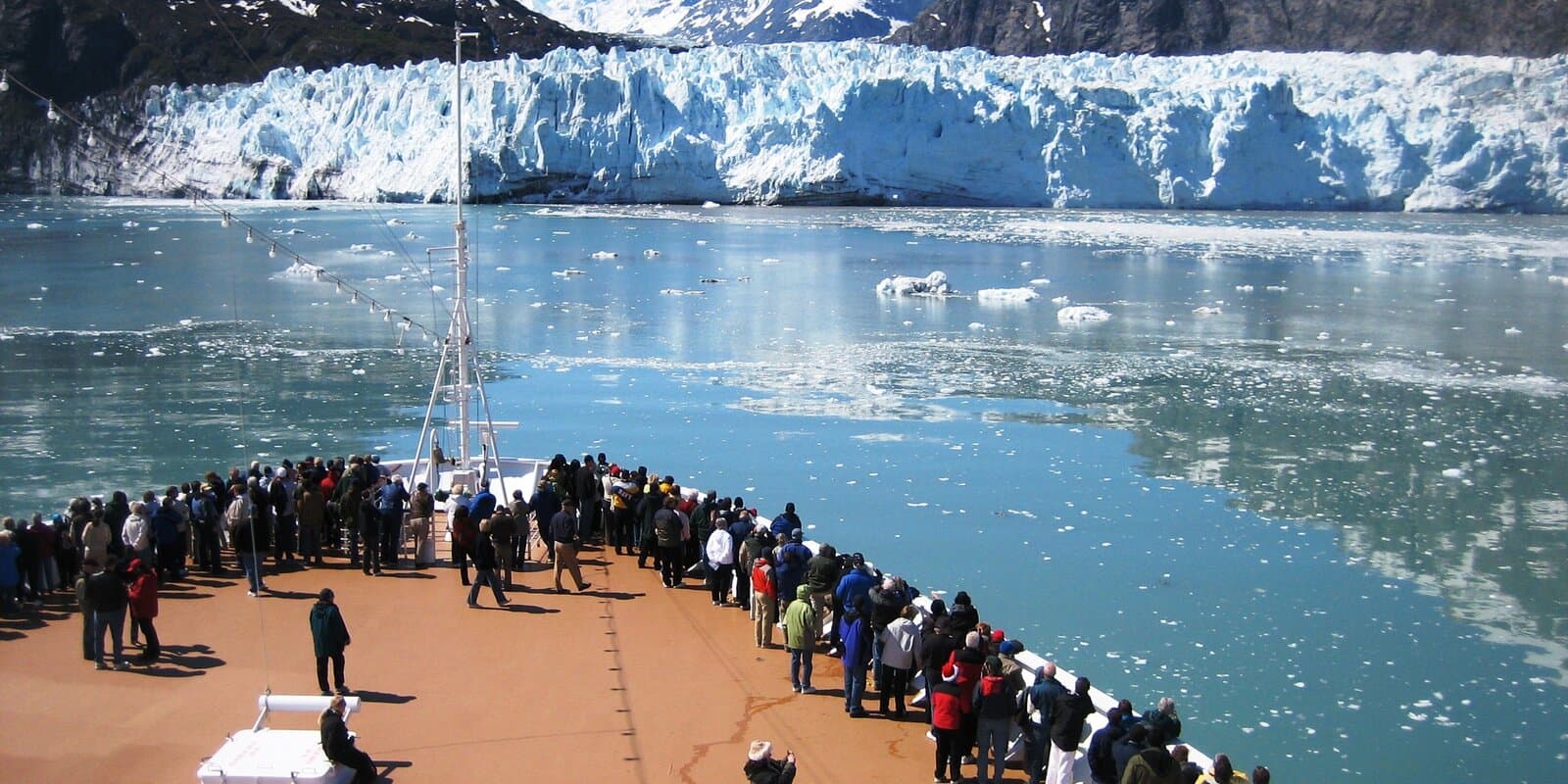
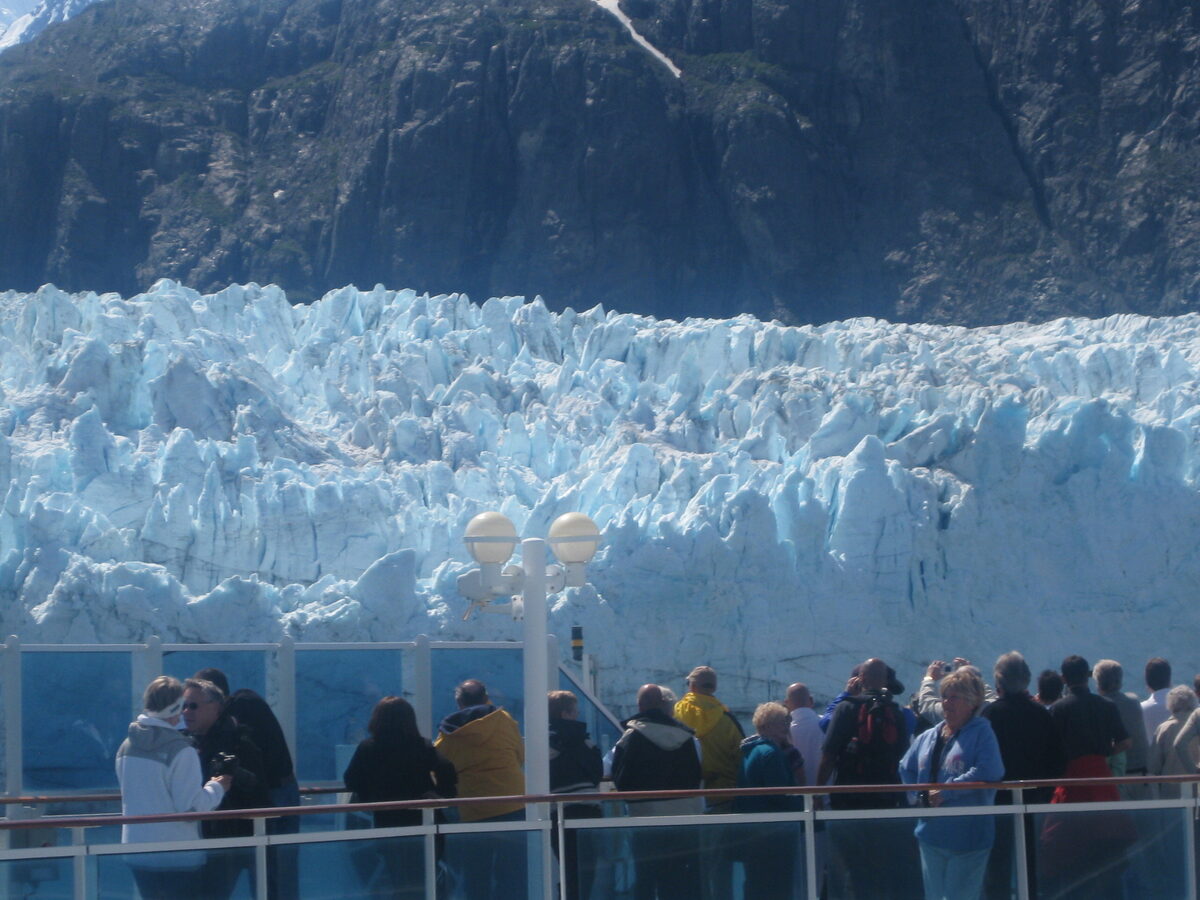
National Park Service guidance for Glacier Bay is the anchor I wish someone had handed me before my first sailing. Summer visitors there typically see highs around 50–60°F (10–15°C), and the park describes good rain gear as essential. April through June tend to be drier months; September and October usually bring more wet days. That range is cooler and wetter than the headline photo on most brochure pages.
Build around three pieces you can adjust on deck and on a whale-watching boat:
- Base layer — thin merino or synthetic top that wicks when you warm up walking in port.
- Mid-layer — fleece or light puffy you can peel off in a sunny spot on the ship.
- Outer shell — packable, waterproof jacket with a hood. Water-resistant windbreakers fail on glacier excursions.
Picture a Glacier Bay morning in the low 50s with drizzle. Base plus fleece plus shell beats one heavy coat you cannot shed when the sun breaks. Princess tells guests to pack warm layers for chilly mornings and casual clothes for sea days — the layer stack is how you satisfy both without filling an extra suitcase.
Rain shells, walking shoes, and the daypack you actually need
Waterproof outerwear matters most on boat and glacier excursions. Princess specifically recommends waterproof gear for those days, plus comfortable walking shoes and a small daypack for port exploring. Binoculars are on their Alaska list, too — wildlife shows up when you are not staring at your phone.
Shoes are where first-timers stumble. Slip-on pool sandals work on the ship. They are a bad plan on wet pier planks or uneven trails near Mendenhall Glacier. Pack one pair of broken-in walkers with grip. Leave the brand-new hiking boots at home unless you already wear them weekly.
Your daypack should hold the shell you peeled off, a beanie, gloves, sunscreen, and whatever the line requires for embarkation in port. Keep meds and a camera in there — not in checked luggage that may arrive at your cabin late on embarkation day.
Rain pants are optional for many mainstream sailings. A good shell and quick-dry pants cover most port days. If your itinerary stacks helicopter landings or long skiff rides, rain pants earn their space.
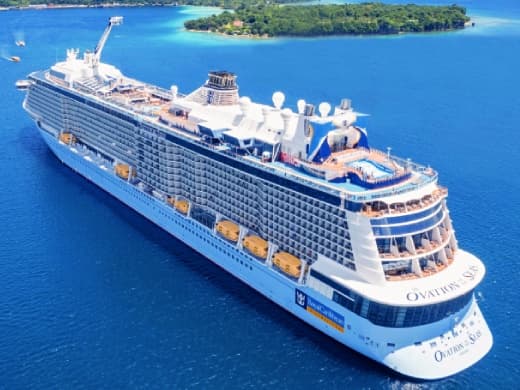
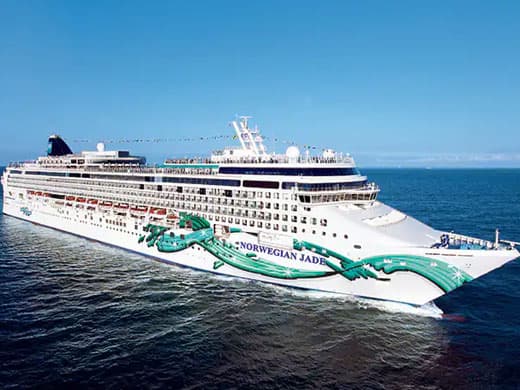
Seven-night Alaska sailings to compare
Live pricing · Updated daily1,653 packages from $339 — open each itinerary for glacier days and homeport before you book.


What you can leave home (and what not to forget)
You can skip the tropical checklist: multiple sundresses, dressy pool cover-ups you never wear, and four pairs of heels for a route where casual clothes dominate sea days. Many Alaska sailings still include one or two dressier nights — check your line's current dress code before you leave every blazer behind.
This advice matters less if you are on a luxury or expedition-style Alaska sailing and already own technical rain shells and binoculars. It also matters less if you plan zero glacier or boat excursions and rarely leave the ship in port. For most first-timers on Princess-, Holland America-, or Norwegian-sized ships, the layer-and-rain-shell core still applies.
Do not skip prescription medication. Holland America's pre-cruise checklist reminds guests to bring extra doses for at least two weeks beyond the sailing length — delays happen. Passport, boarding docs, and a photocopy of both belong in carry-on, same as any cruise.
If you are sailing from Vancouver or finishing in Seward on a one-way route, you may need an extra outfit for pre- or post-cruise nights on land. Our Vancouver Alaska planning guide covers homeport timing; the Seward one-way guide explains why open-jaw routes add clothing days outside the ship.
A quick zip-the-suitcase check before embarkation
Before you close the bag, run this pass:
- Shell test: Can you wear base, mid, and hooded rain layer together without bulk that blocks arm movement?
- Shoe test: One broken-in walking pair that handles wet pavement.
- Port test: Daypack fits layers, meds, and docs for a six-hour excursion.
- Formal test: One outfit for dress night if your sailing includes it — verify on the line site, not a forum post from 2019.
- Meds test: Enough prescription doses for the cruise plus cushion days.
You do not need to know every cruise term before you sail. These basics prevent the expensive terminal-shop rain jacket and the missed excursion because your shoes had no grip.
Build your layer stack first. Match your dates to the weather window you are actually sailing — May and June often behave differently from late September. When your bag fits the route, comparing sailings is the easy part.
More from Stop Looking Start Booking