

Balcony Deal or Marketing Hype? When the Upgrade Math Actually Works
A balcony upsell can be worth the premium — or an expensive cabin you barely use. Here is how to run the numbers on Miami sailings before you click upgrade.
Spot sailings that are genuinely worth booking.

When the balcony upsell looks tempting
You pick an inside fare that fits the budget. Checkout flashes "upgrade to balcony for only $XX more per day." The headline price looks good, but the final value depends on the details — and that daily add-on is doing marketing work, not math work.
I would look twice at this sailing before I pay for outdoor square footage. A balcony is not a scam; on the right trip it is the best money you spend. On the wrong trip it is a $150–$250 per person line item for a door you open twice. This is only a deal if the dates, itinerary, and how you actually cruise make the premium worth it.
The better comparison is price per night, not just total fare — and you want those numbers for inside, ocean view, and balcony on the same ship and week, not a generic banner.
What the numbers actually show
When we checked Miami sailings of five nights or longer in late May 2026, inventory showed 795 packages and inside lead-ins from about $338 per person landed (taxes and fees included). That is a real bookable floor — not a teaser that disappears at checkout.
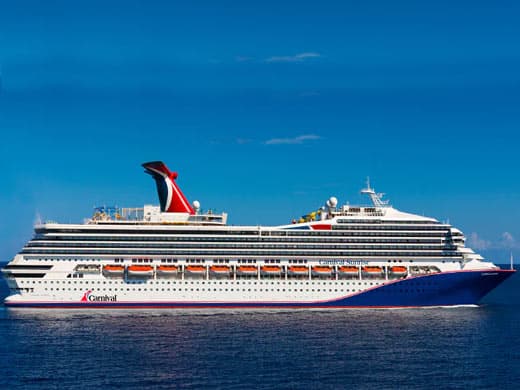
Pull the same sailing into cabin view and the spread gets honest. On a sample Carnival Sunrise five-night Bahamas week departing September 2026, inside landed about $338 and balcony about $578 per person. That is roughly $240 total, or about $48 more per night, for the balcony tier on that week.
Another date on the same ship showed a tighter gap — inside about $348, balcony about $498 — which is still $150 per person, but a reminder that the premium moves with demand, not with a fixed "only $25/day" story.
How I use that math:
- Divide each cabin price by nights — compare $/night, not the upsell slogan.
- Multiply the per-person gap by everyone in the cabin — $48/night is $96/night for two adults.
- Ask what you would buy on land for that money: a nice dinner, an extra excursion, prepaid gratuities, or a longer sailing.
If the balcony premium equals two shore days you would actually take, the upgrade needs to clear that bar. Our guide to what is included in a cruise fare helps you see what is still extra after you bump the cabin.
Miami sailings (5+ nights)
Live pricing · Updated dailyCompare inside vs balcony on the same ship and week — lowest fares first.

Who should pay for a balcony (and who should not)
The upgrade often makes sense when:
- You have two or more sea days and plan morning coffee or evening wind-down outside.
- You are a light sleeper who wants fresh air without walking the deck at midnight.
- You are celebrating and will actually use private outdoor space — not just pose for one photo.
- Someone in your group has mobility limits and a balcony beats fighting for pool-deck chairs.
- The gap is small on your exact week — sometimes shoulder-season math is kinder than holiday weeks.
I would keep the inside (or ocean view) when:
- The itinerary is port-heavy — five nights with three or four stops means you are off the ship all day.
- You are rarely in the cabin except to sleep and shower.
- The "balcony" is obstructed or overlooked — a partial view at near-full-balcony price is a bad trade.
- You are stretching budget for the sailing itself (line, dates, ship) and the upgrade pushes you into credit-card territory.
- You drink, dine, and tour heavily — every dollar in the cabin is a dollar not spent where you live on the ship.
Families and groups: the math is per person. A $200 premium × four guests is $800 that could fund transfers, Wi-Fi, or a hotel night before sailaway.
What to check before you upgrade
Same sailing, same category rules. Compare inside vs balcony on one departure date. Mixing Monday inside with Saturday balcony prices will lie to you.
Obstructed and guarantee categories. If the line assigns balcony at booking, read whether you are accepting partial obstruction or a guarantee that might land you near the pool deck noise.
Promo stacks. A sale that discounts balcony is real only if balcony is available on your dates. A 60%-off-second-guest deal that applies to inside but not balcony changes the math overnight.
Occupancy. Third and fourth guests sometimes price oddly by category; run the whole cabin total, not just guest one.
Virtual balcony and window walls. Newer ships sell screen or indoor-window categories between inside and true balcony. They can be a smart middle tier — or a pricey TV — depending on whether you want real salt air.
Location on the ship. A cheap balcony all the way forward on a choppy route is not the same value as midship on a calm week. Deck plans matter as much as category name.
Bottom line
Balcony marketing is built to make the upgrade feel inevitable. The math is built to ask how many hours you will use that veranda and what else the premium could buy on the same trip.
When we checked Miami five-night-and-longer sailings, the inside floor was real — and the balcony step-up on the same weeks was often hundreds per person, not pocket change. Run price per night, multiply by your party, and compare to how you actually cruise. If the numbers clear the bar and you will live on that balcony, book it. If not, the inside fare is not a consolation prize — it is often the smarter deal.
Compare inside, ocean view, and balcony on the same ship and dates before you commit. A few minutes of side-by-side pricing beats trusting the upsell tile at checkout.
More from Stop Looking Start Booking