
Cruise Taxes and Port Fees in 2026: What Your Advertised Fare Includes (and What Still Gets Added Later)
Major lines now show all-in fares with government taxes and port fees baked in — Rachel Morgan explains what that number covers and what still hits your wallet after you book.
Spot sailings that are genuinely worth booking.

Why that quote suddenly looks $200 higher
You're on your phone comparing two seven-night Caribbean quotes: one line shows $646 per person and another shows $849 with a small note that taxes and fees are included. You pause. The cheaper-looking fare used to balloon at checkout.
That sticker shock is not always a worse deal. Since July 1, 2024, major U.S. sellers — Carnival Corp brands, Royal Caribbean, and Celebrity — have folded government taxes, fees, and port expenses into the advertised fare on consumer pages, following California honest-pricing rules the lines applied fleetwide for clarity. Carnival's site now states plainly that taxes and fees are included on booking flows.
The headline price looks higher. Often you were going to pay those mandatory port charges anyway; they just lived on a separate checkout line before. The better comparison is price per night on the full number you see today, not a pre-2024 fare that hid $150–$200 in fees until the last click.
What taxes and port fees actually buy
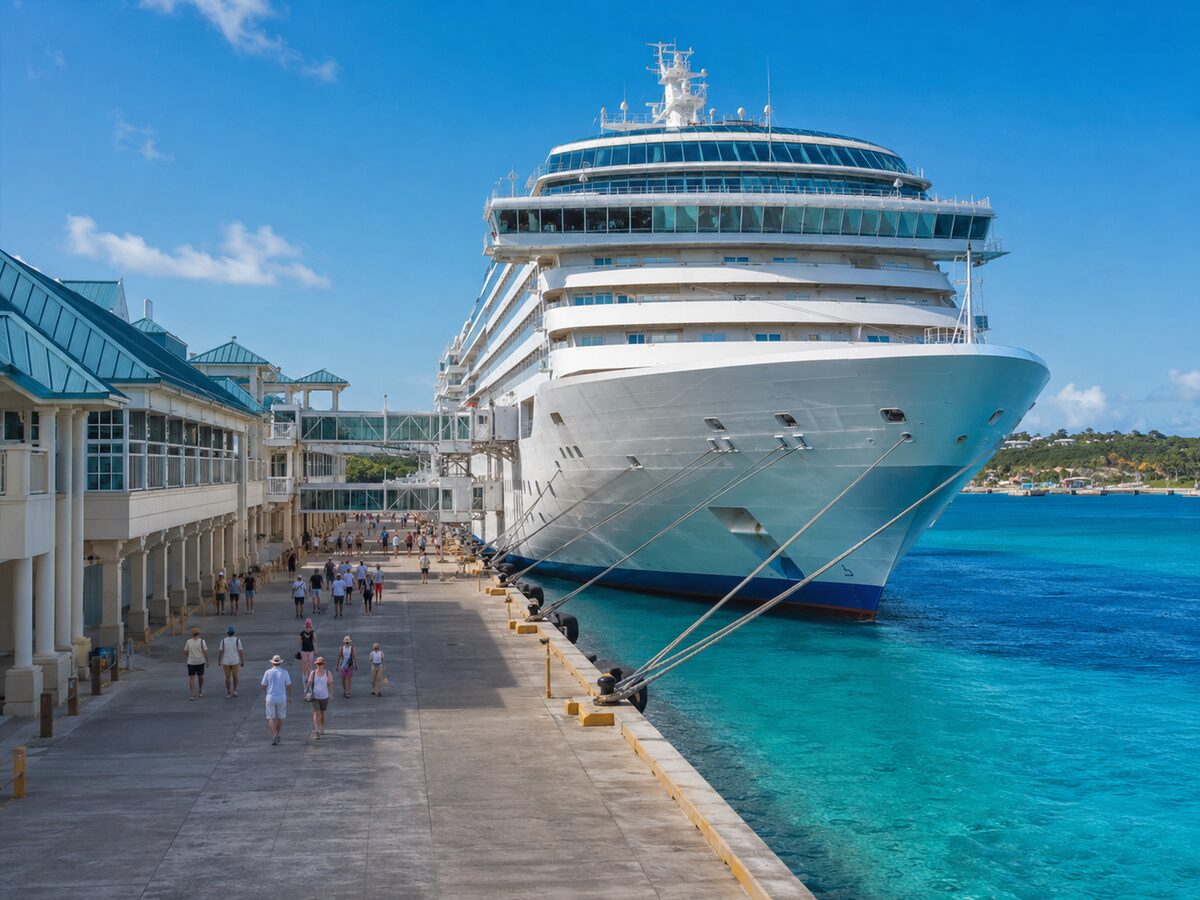
Government taxes and fees cover what the name says: head taxes, customs, and similar charges tied to the itinerary and where the ship calls. Port fees (sometimes labeled required cruise fees or port expenses) pay for the pier infrastructure and handling at each turn — Miami, Nassau, Cozumel, and every other stop on your route.
These are mandatory parts of the sailing, not optional upsells. Royal Caribbean's public breakdown made that distinction clear when it explained the pricing change: port-related charges belong in the fare; gratuities do not.
On fare screens you may still see a split between Government Taxes and Fees and Required Cruise Fees and Expenses even when the total is bundled upfront. That line-by-line view is useful — it tells you how much of your ticket is "ship and cabin" versus "ports and government," not a hidden fee you can decline.
What the all-in fare still leaves out
Bundled taxes and port fees fix the checkout surprise. They do not make the cruise all-inclusive.
You still add, separately or at booking:
- Prepaid gratuities / daily service charges — typically ~$16–$20 per person per day on mainstream lines; see our gratuities guide for first-timers for the full math.
- Drink, Wi-Fi, and specialty dining packages you select in the cart.
- Line-specific daily fees that post after the quote — MSC's May 2026 North American hotel service charge rose to $17/day ($23 in Yacht Club), still outside the cabin fare; we covered that change here.
- Shore excursions, spa, casino, and photos — pay-as-you-go unless a promo bundles them.
Meals in the main dining room, the pool deck, and most onboard entertainment stay in the base fare bucket; our what's included in a cruise fare post walks through that split without repeating it here.
Honest scope check: if you already prepay gratuities, buy a drink package, or sail Yacht Club / suite tiers with bundled service charges, your post-booking stack looks different. This checklist matters most when you are comparing base cabin fares across lines and want apples-to-apples totals.
One fare screen, worked out
Royal Caribbean's pre-change example is the clearest illustration. The line cited a $646 advertised fare with $201.48 in taxes and fees waiting at checkout — mandatory port and government charges, not a tip pool. Under current U.S. display rules that $201.48 folds into the headline so you compare something closer to $847 upfront.
That is transparency, not automatically a price increase. You were unlikely to sail without paying those port fees.
Then you still layer trip cost:
- Prepaid gratuities at roughly $18–$20/day on mainstream lines → about $126–$140 per person on a seven-night sailing if you prepay at booking.
- Drink or Wi-Fi packages only if you tick the boxes.
- MSC-style daily hotel service if you are on that brand — $17/day standard in 2026, per the line's May update.
Run (all-in fare + gratuities + packages you will actually buy) ÷ nights ÷ guests before you call one sailing cheaper. I would look twice at any deal that wins only because the competitor's taxes were still hiding on line two of checkout.
Build your true trip-cost checklist
Before you put money down on a 2026 sailing, run the same five lines on every quote you are weighing:
- Start with the all-in per-person fare shown on the line or agency site — taxes and port fees should already be inside for U.S. shoppers on Carnival, Royal Caribbean, Celebrity, and similar majors.
- Add prepaid gratuities (or budget the daily charge) unless your fare explicitly bundles them.
- Add only the packages you will use — drink, Wi-Fi, specialty dining — not every upsell tile.
- Check line-specific daily fees (MSC hotel service, etc.) that post after the cabin price.
- Divide by nights and guests for $/night and compare sailings on that number.
Shortlist two or three dates, run the checklist on each, then open live pricing for those weeks. The headline price can look good while the final value depends on the details you stack on top.
What to do next
Higher advertised fares since mid-2024 are mostly honest math, not proof the deal got worse. Your job is to compare true trip cost — all-in fare plus gratuities and the extras you will actually buy — then judge price per night across the sailings that fit your dates and cabin type.
This is only a deal if the itinerary, ship, and cabin category work for you. Once your checklist numbers line up, compare the same weeks on our sailings search and book the sailing where the full wallet total makes sense, not the tile that looked cheapest before port fees existed.
More from Stop Looking Start Booking