

Sea Days vs Port Days: How to Choose the Right Caribbean Itinerary Balance
Claire Donovan on reading Caribbean itineraries — how many days are at sea versus in port, and who should pick a port-heavy week versus a ship-focused one.
Choose a route that matches the vacation you want.

Why two 7-night tiles can feel completely different
You are comparing two 7-night Caribbean fares from Port Canaveral — same headline price, same ship class — until you scroll the day-by-day list. One itinerary packs four traditional port calls plus a private island. The other shows two sea days back-to-back before the first pier.
Same region banner. Very different week.
The ports tell you a lot about the kind of cruise this will be. Before you compare cabins or promotions, ask a simpler question: how many days does the ship spend moving between destinations, and how many give you a gangway down? That pace changes the vacation even when the fare per night looks identical.
How to count sea days, port days, and private-destination days
Open the published day-by-day schedule, not the marketing tile. Count three buckets:
- At sea — any row labeled "At Sea" or showing open water with no pier
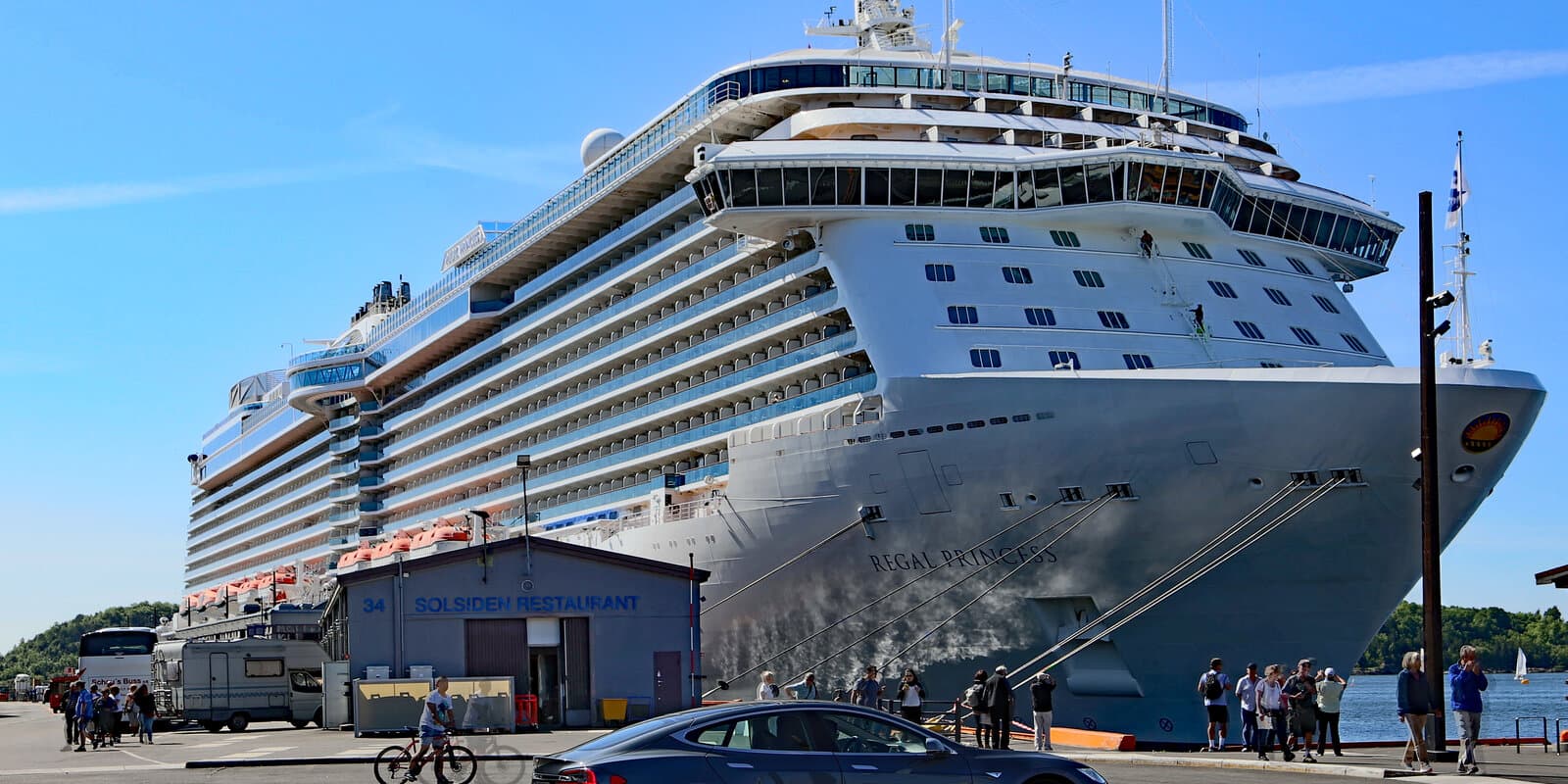
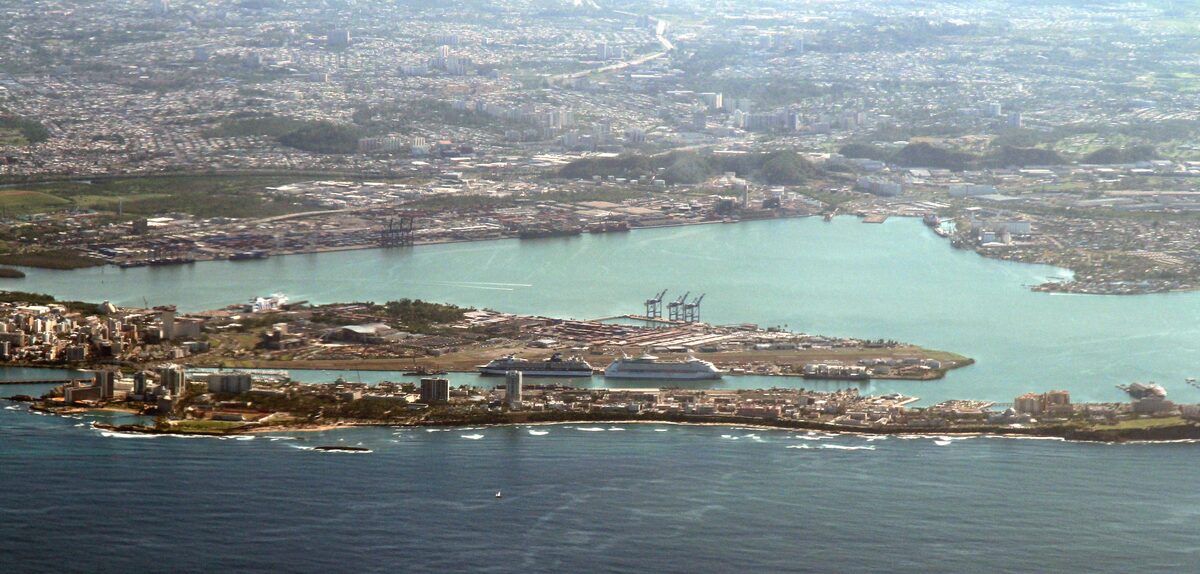
- Traditional port calls — Cozumel, San Juan, Grand Cayman, any downtown or tender stop you could explore on your own
- Private-destination days — Perfect Day at CocoCay, Celebration Key, Great Stirrup Cay, and similar line-owned stops
Private-destination days count toward your shore time, but they play by different rules than a traditional port. Our private island vs. port day guide walks through what that means for planning.
Look closely at arrival and departure times on each call. A port day on paper can shrink to a lunch window if the ship arrives late or leaves early.
Port-heavy weeks: who they suit (and who gets tired)
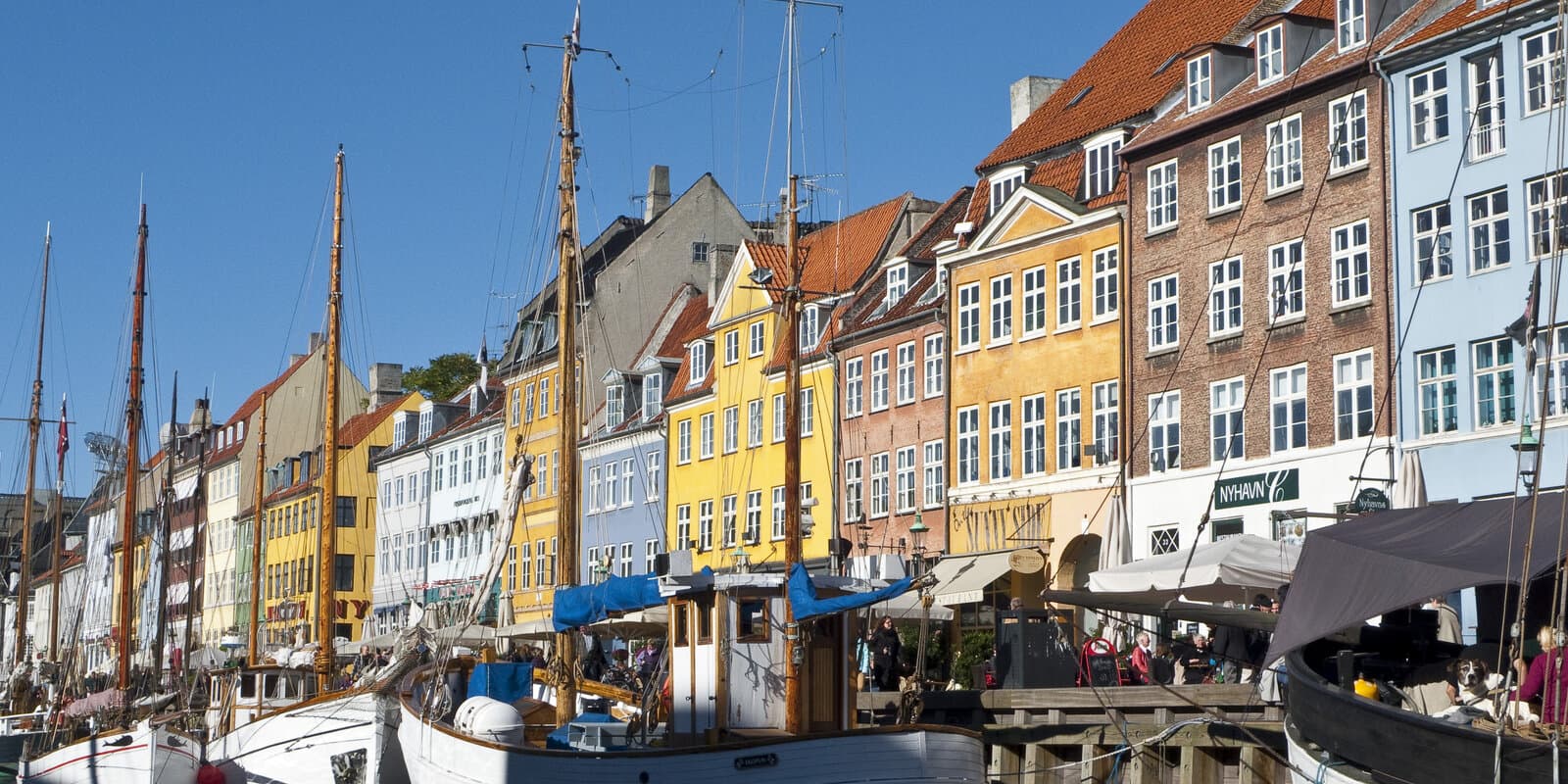
Port-forward itineraries suit travelers who want destination variety — ruins one day, snorkeling the next, a different island culture every morning. Western Caribbean loops from Florida and Gulf homeports often stack consecutive pier days because distances between ports stay manageable.
This route is better for travelers who wake up thinking about what's ashore, not what's on Deck 14.
The tradeoff is fatigue. Back-to-back excursions, tender transfers, and tight all-aboard calls add up. Families with small kids and travelers who need downtime between active days sometimes return from a "great itinerary" feeling like they never stopped moving.
If mobility or pacing matters, count port days honestly before you celebrate a long port list.
Sea-day-heavy weeks: when the ship is the destination
Some itineraries deliberately give you open-water days — pool time, specialty dining, shows, and the rhythm of ship life without packing a bag each morning. Southern Caribbean loops from Florida often require more sailing days to reach islands like Aruba and Curaçao. That is not filler. It is geography.
Sea-day-heavy weeks fit travelers who chose the ship for its amenities and want fewer logistics on vacation. Couples, multi-gen groups with mixed interests, and repeat cruisers who have already hit the usual ports often prefer this balance.
Just do not assume every sea day feels relaxing if you get seasick or bored easily. Know your tolerance before you pick the itinerary with the longest stretch between islands.
Southern vs Western vs Bahamas loops: typical day balances
Carnival and NCL both group Caribbean sailings into Eastern, Western, and Southern sub-regions on their destination hubs — useful starting points, but the day-by-day balance still varies by sailing length and homeport.
Royal Caribbean's upcoming Legend of the Seas deployment from Fort Lauderdale illustrates the spread. Press materials cite 6-night Western Caribbean getaways alongside 8-night Southern Caribbean vacations reaching Oranjestad, Aruba, and Willemstad, Curaçao — plus Perfect Day at CocoCay. The longer southern route necessarily trades more calendar days at sea for deeper island coverage from the same Florida embark port.
Shorter Bahamas loops and 4-night getaways lean port- or private-island-heavy with minimal open water. Western weeks from Texas or Louisiana often stack Mexico and Grand Cayman calls. For how Southern compares with Eastern and Western port style, see our regional route comparison.
Before you compare fares, count the days
The value here depends on how much time you actually get ashore — not the region label on the search tile.
Run this before you price anything: tally sea days, traditional ports, and private-destination stops on each shortlisted sailing. Ask whether that mix matches how you want to spend the week. Then compare fare length and price per night inside the pace that fits, using something like our 4-night vs. 7-night price guide if you are also weighing trip length.
One honest scope note: this sea-day versus port-day framework matters most on mainstream Caribbean loops from Florida and Gulf homeports. Short Bahamas overnights, one-port Bermuda runs, and expedition-style sailings with long transit legs follow different rules. Count days on those too — but do not force this ratio onto every itinerary type.
Once the pace matches your travel style, fare comparison gets much cleaner.
More from Stop Looking Start Booking