

Cruise Motion Sickness: What First-Timers Should Know Before They Worry
Seasickness sounds scary, but large cruise ships rarely rock enough to ruin a trip. Mark Bennett explains prevention, remedies, and when to pick your cabin — using verified Royal Caribbean and Carnival guidance.
Understand cruising basics before you commit to a fare.

Night one. You step onto the balcony, feel a slight sway, and immediately wonder whether the whole week will be a mistake. Your partner feels nothing at all.
This confused me at first, too. Seasickness is one of the most common first-cruise fears I hear — and one of the least likely problems on a modern 100,000-ton Caribbean ship in calm summer weather. Cruise lines use stabilizers and route planning for a reason. That does not mean motion never happens. It means most guests never need more than crackers, fresh air, and a walk to midship.
Start with three ideas: understand what motion sickness actually is, pack the right remedies before embarkation, and know what the ship stocks if symptoms start. You do not need a degree in ship hydrodynamics — but these basics help.
Why first-timers worry (and why large ships rarely rock you)
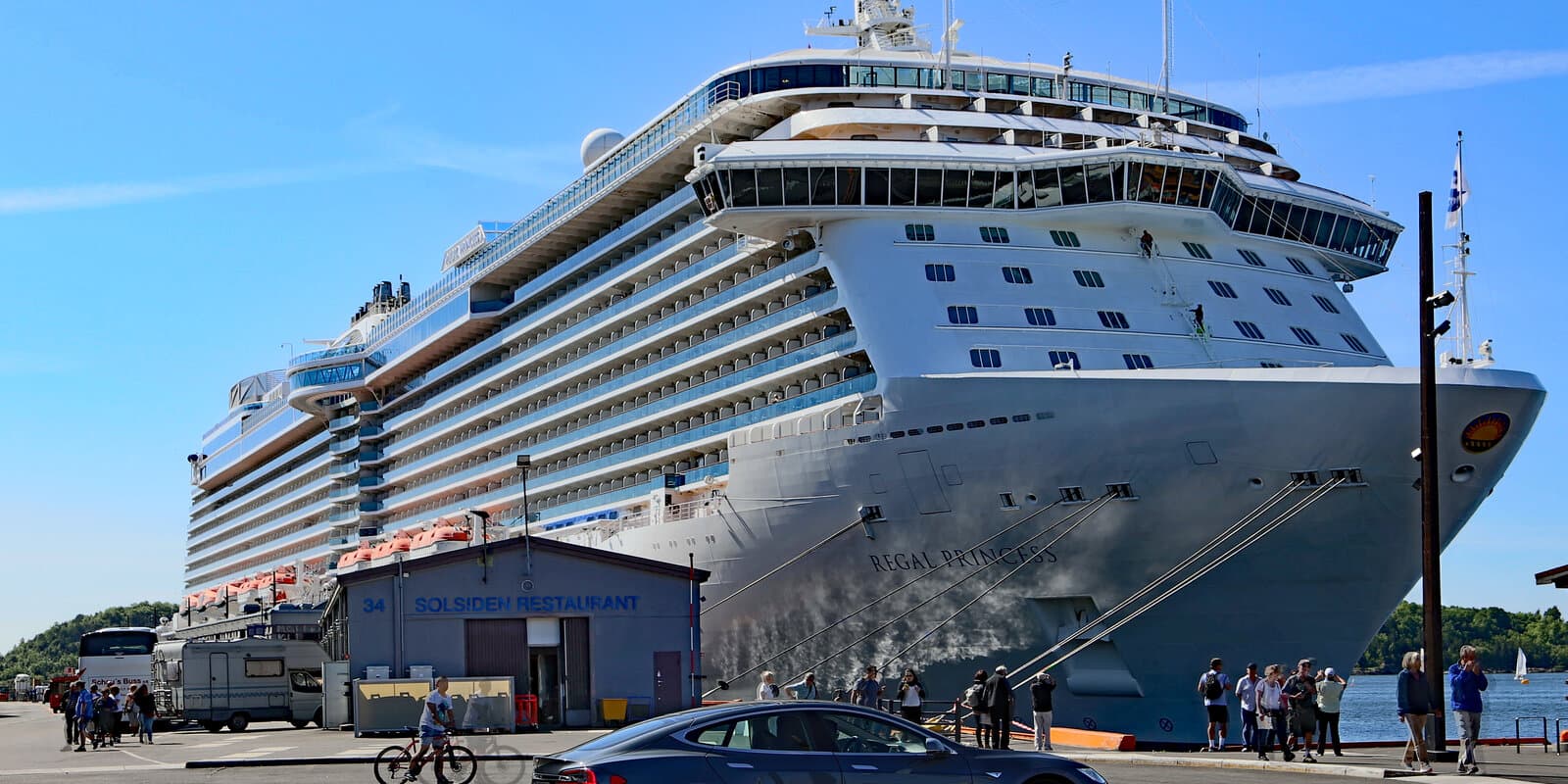
Royal Caribbean's Chief Medical Consultant, Dr. Benjamin Shore, puts it plainly: considering the large size of today's cruise ships, seasickness is rarely a problem. Modern vessels carry stabilizers — fins along the waterline on port and starboard sides — that reduce side-to-side motion. Captains also route around rough weather when they can.
That is line-verified reassurance, not a guarantee. Weather varies. Ship size varies. But the mental image of a tiny boat pitching in a storm does not match most mainstream sailings from Florida homeports. If you are booking a 7-night Miami Caribbean itinerary on a major line, you are on a floating city, not a fishing skiff.
What motion sickness actually is
In plain terms, it is a mismatch between what your eyes see and what your inner ear senses. Your brain gets conflicting signals — the room looks still, but your body feels movement — and nausea follows.
Knowing that helps because the fixes target the mismatch. Looking at a stable horizon, getting fresh air, and moving to the ship's center address the sensory conflict. It is not weakness. It is physics your body has not practiced yet.
Prevention before you board
Prescription patches like Transderm Scop need to be applied before boarding to work, per Royal Caribbean's medical guidance. If you know you are prone to motion sickness, talk to your doctor before you book — not the morning of sail-away. Our first-cruise embarkation day timeline walks through why boarding happens hours before the ship leaves the pier; patch timing fits that window.
Ginger (candies, tea, capsules) is a common over-the-counter option many cruisers swear by. Royal Caribbean's seasickness article also mentions aromas like peppermint and chamomile. None of this replaces medical advice if you have a history of severe symptoms — but packing ginger costs little and hurts nothing.
Cabin location is cruiser wisdom, not line policy: many experienced guests prefer midship, lower decks where motion feels gentler. A high forward balcony can be spectacular — and a bit more movement on a sea day. If you are anxious, midship interior or ocean-view cabins are worth comparing before you lock a fare.
What Royal Caribbean and Carnival stock onboard
This is where line policies diverge — and where packing matters.
Royal Caribbean Medical Centers carry motion sickness medications including meclizine, available free of charge. They also stock promethazine and metoclopramide for more troublesome cases, per the line's seasickness article.
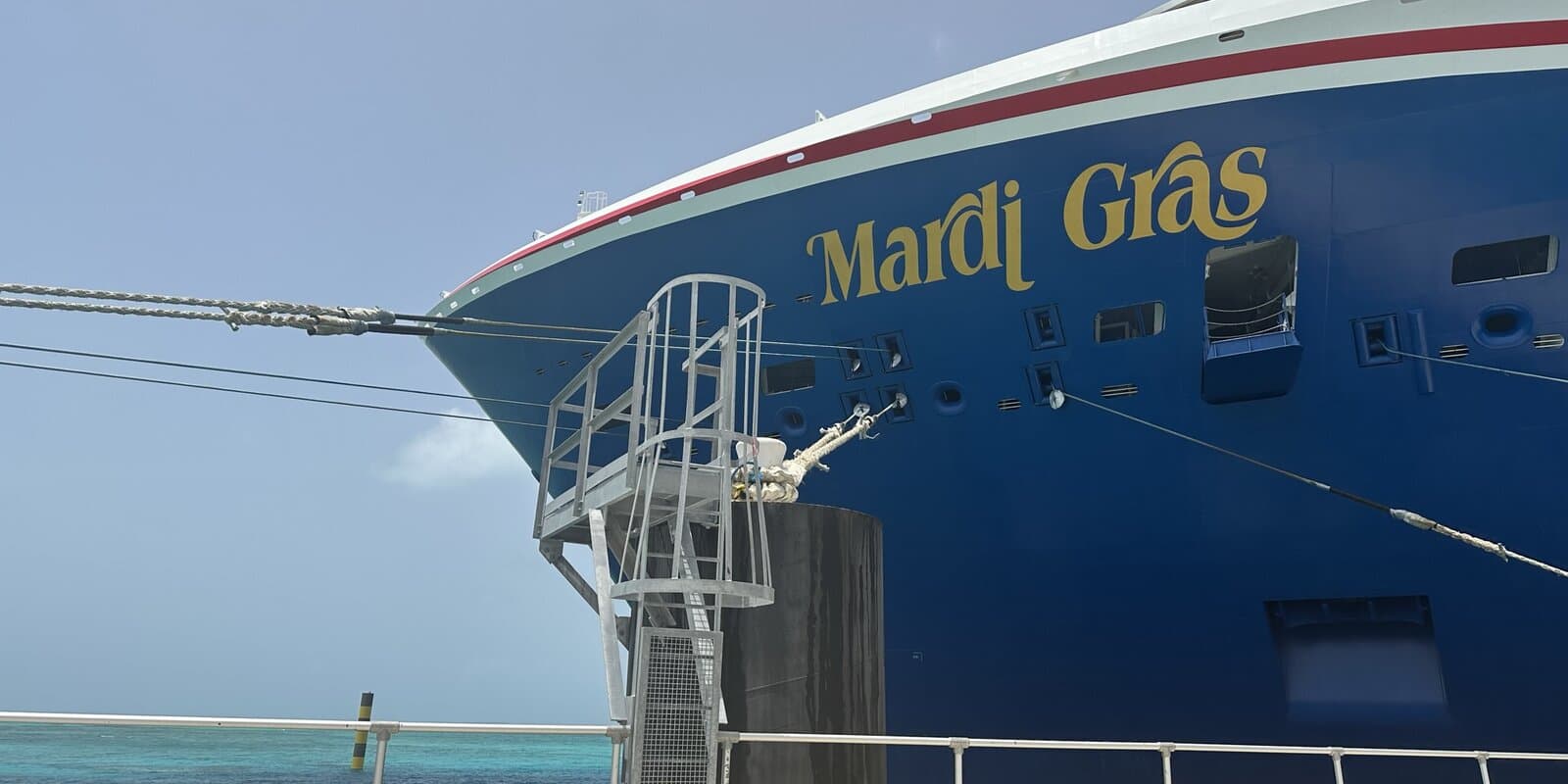
Carnival ships sell meclizine through the Medical Center, Guest Services, or Room Service. Carnival does not carry motion sickness patches or wristbands — guests who rely on those must pack their own. In extreme cases that will not abate, Carnival's Medical Center can provide a motion sickness injection for a fee; it is treatment only, not a preventative shot.
Picture a guest who depends on a Transderm Scop patch. On Royal Caribbean, meclizine at the Medical Center is a backup if symptoms develop. On Carnival, that same guest cannot buy a patch at Guest Services — they needed to apply one before boarding or pack extras. Same worry, different packing list.
Where to stand on the ship if you feel queasy
Symptoms often hit on the first sea day or the first night. Do not camp in your cabin staring at the walls.
Walk to the center of the ship — the most balanced area, per Royal Caribbean's guidance. Get fresh air on an open deck if you can. Eat dry crackers after onset; an empty stomach can make things worse.
If symptoms persist, visit the Medical Center or contact Guest Services. Royal Caribbean stocks meclizine at no charge; Carnival sells it through several channels. Carnival's injection option exists for severe cases that will not ease — again, treatment, not prevention.
You are not bothering anyone. Ship medical teams handle this regularly.
Does ship size matter for your route?
Yes — and this is where honest scope matters.
Small expedition ships, river cruises, and open-ocean crossings in rough weather are a different story than a 100,000-ton Caribbean ship in summer. Winter North Atlantic repositioning, Drake Passage expedition sailings, or an inside passage day with wind — plan more aggressively if motion sensitivity is a real concern for you. Our Alaska cruise packing guide touches on routes that can feel different from calm Caribbean sea days.
For mainstream 7+ night Caribbean sailings from Miami, ship size and summer routing work in your favor. That does not mean pick any cabin on any date without thinking. It means the anxiety many first-timers carry is usually louder than the motion they actually feel.
If you are prone to motion sickness, talk to your doctor before you book. Then search sailings with midship, lower-deck cabin preferences in mind — and pack patches or wristbands yourself if Carnival (or any line that does not stock them) is your pick.
You do not need to know everything about seasickness to have a great first cruise. These basics are enough to book with confidence instead of dread.
Miami Caribbean sailings (7+ nights)
Live pricing · Updated daily600 packages from $479 — large mainstream ships on typical Caribbean routes.


More from Stop Looking Start Booking