
Drive-to vs Fly-to Your Cruise Port: A Family Planner’s Guide to Homeports, Parking, and Real Trip Cost
Amanda Ellis on choosing a cruise homeport: when Galveston or Port Canaveral beats a cheap Miami fare once parking, drive time, flights, and pre-cruise hotel nights are in the family spreadsheet.
Plan a family cruise that fits your budget and schedule.

Why that cheap fare is only half the family budget
A parent in Houston has two browser tabs open: a Galveston 5-night Western Caribbean sailing at a lower per-person fare, and a Miami 7-night eastern loop that needs four Southwest tickets plus an Uber to PortMiami. The kids are 6 and 9. The family minivan fits car seats without a rental.
That is not indecision. It is the right question.
Headline per-person fare is the number that grabs you. For a family of four it is never the whole trip. Add gas or airfare for everyone, a pre-cruise hotel when you cannot safely drive in on embarkation morning, parking for the length of the sailing, and the shuttle or rental car at the other end. A Miami tile can look $200 less per person while the stack costs more once four airline seats and ground transport enter the spreadsheet.
For families, convenience matters just as much as price — and homeport choice is where that shows up before you ever pick a cabin.
Regional homeports worth a real look
Drive-market homeports exist because families within a reasonable radius would rather load the minivan than buy four airline tickets.
Galveston serves Texas and much of the Gulf South. The port manages roughly 5,500 parking spaces across 13 lots plus garage facilities, with advance reservations promoted on the port site.
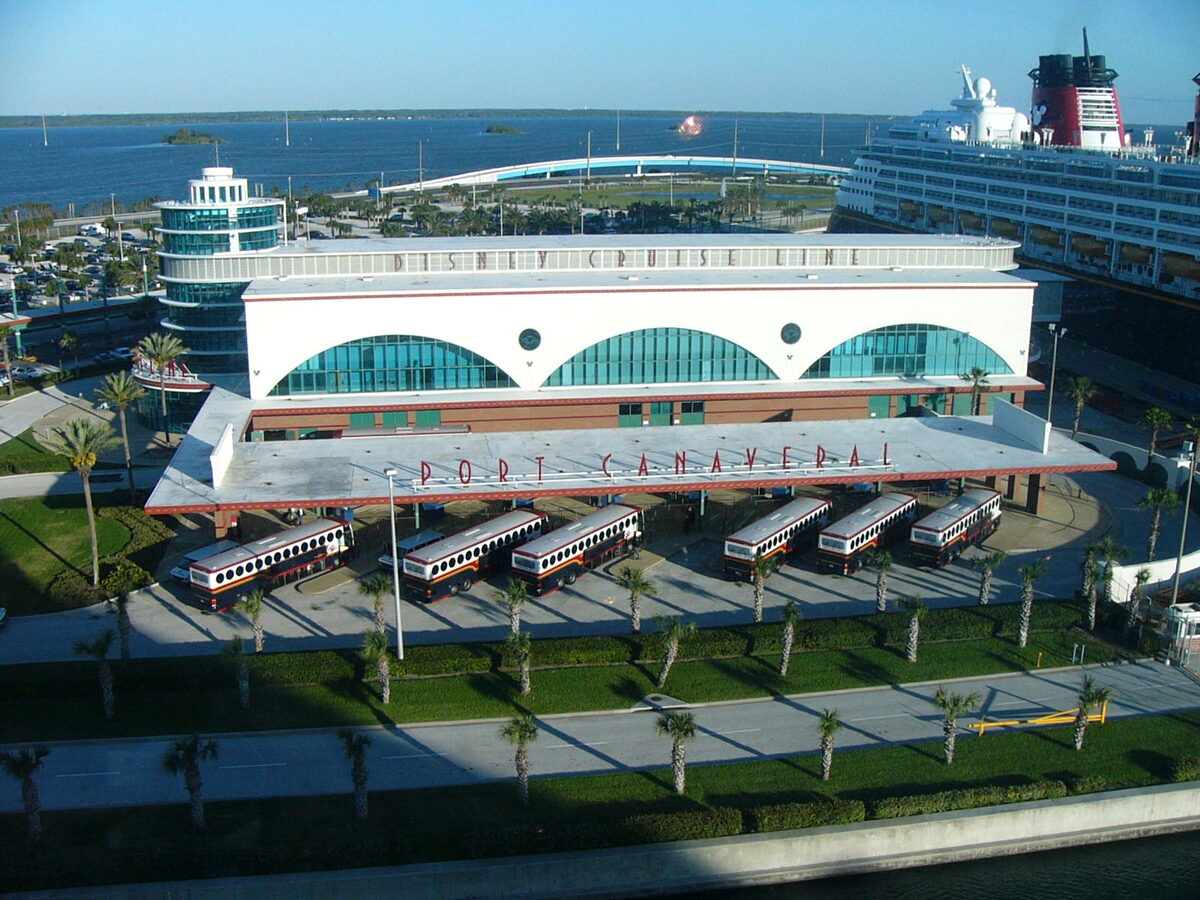
Port Canaveral draws Central Florida drive guests and Orlando fly-in connections. Multiple cruise lines use the terminal complex; the port publishes arrival maps, guest transportation, and parking guidance for each sailing.
New Orleans and Mobile matter for Midwest and Deep South families who want a shorter haul than South Florida. Our Mobile Alabama Caribbean planning guide and New Orleans Caribbean planning guide cover terminal specifics — this post stays on the drive-vs-fly math that picks among them.
This may look like a small detail, but it can change the whole trip when your 6-year-old tolerates a six-hour drive better than a 5 a.m. airport run.
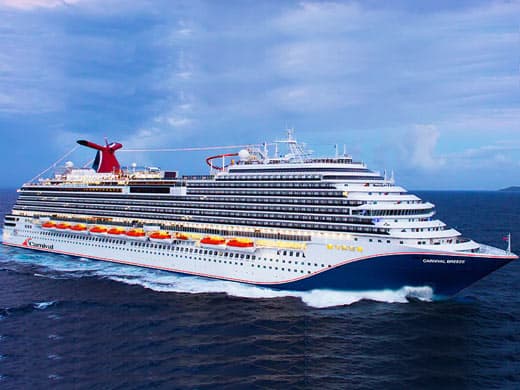
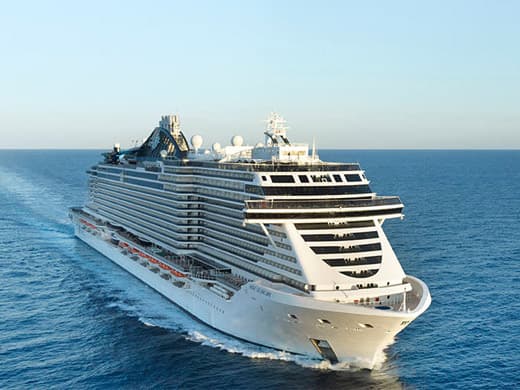
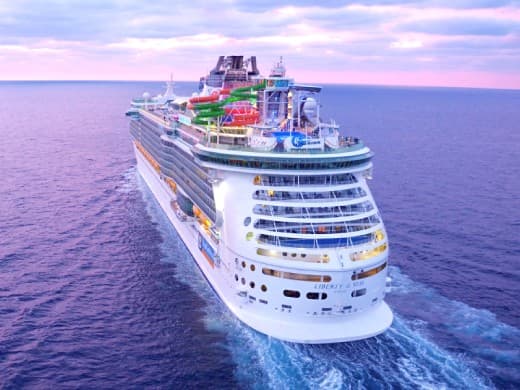
Galveston Caribbean sailings (5+ nights)
Live pricing · Updated daily697 packages from $444 — open each itinerary to confirm drive time and total trip cost.



Parking and airport math that belongs in your spreadsheet
Walk through one fly-in Florida example with numbers you can verify today.
Port Canaveral charges $20.00 per day plus tax for cruise parking on vehicles and RVs, including embarkation and debarkation days. Orlando International Airport (MCO) sits approximately 45 minutes west of the port by road. Melbourne International Airport (MLB) is about 25 miles (40 minutes) south.
Family of four, seven-night sailing: seven parking days runs roughly $140 before tax at the published daily rate — before you count rental car, gas from MCO, or a hotel night if your flight lands late.
Compare that to a Galveston drive from Houston: no airfare line item, car seats already installed, and port-managed parking when you reserve ahead. Check the current fee schedule on the Galveston parking page before you quote exact daily dollars — the port emphasizes its reservation system over a static rate table in the page extract we reviewed.
Do not assume Miami or Fort Lauderdale parking is cheaper until you pull current port authority rates yourself. We could not verify those pages during research.
Road-trip families overlap packing with our family cruise packing list. Once the homeport is set, the embarkation day timeline covers terminal flow on sailing day.
When flying to Florida still wins
Drive-to math wins less often for families flying cross-country regardless of fare, for single-parent households without a second driver for long hauls, or when the only sailing that matches school dates departs from a fly-in port — convenience and schedule lock matter more than parking savings.
Flying can still make sense when your dream itinerary or ship only sails from Miami or Fort Lauderdale, when school dates lock you to one departure week with no regional equivalent, or when you are west of Texas or north of the Ohio River and the drive radius simply is not there.
The best family cruise is the one that fits your schedule, budget, and energy level — not the homeport with the lowest per-person tile in isolation.
What to settle before you search sailings
Run this checklist once:
- Drive radius — Can you reach the terminal safely on embarkation morning, or do you need a pre-cruise hotel night?
- Parking nights — Count embark through debark days; pull current port authority rates before deposit.
- Airfare stack — Four tickets, bags, car seats at the gate, rental car or shuttle at the destination.
- School and work windows — The sailing that fits the calendar beats $50 off per person.
- Total trip cost — Compare the full stack, not the double-occupancy quote on the promo banner.
Map your drive radius and parking nights first — then search sailings from the homeport that keeps your family off a red-eye flight or an 800-mile sprint to Miami.
More from Stop Looking Start Booking