
Family Cruise Packing List: What to Bring When Kids Are Along (and What Stays Home)
Amanda Ellis on family cruise packing: carry-on essentials, line prohibited items, pool-day repeats, and what parents can leave home before embarkation day.
Plan a family cruise that fits your budget and schedule.

Why family packing is different from solo cruise prep
The night before embarkation, I watched one child stuff four outfit changes into a single shared suitcase while the printed Carnival prohibited-items list sat folded inside the cruise documents envelope, unread. Irons. Case-pack water. Large coolers. That is the family packing story in one image: plenty of clothes, not enough attention to what security will actually confiscate.
Solo cruisers can throw a week of outfits in one bag and call it done. Parents are juggling sizes, swim repeats, meds, and who needs which shoe by port day. For families, convenience matters just as much as price — and packing is where that shows up first.
Most families over-pack clothes and under-pack embarkation-day essentials. This guide targets mainstream closed-loop Caribbean sailings from Florida and Gulf homeports. If you are traveling as a couple or solo, you can pack lighter with fewer rules about floaties and duplicate kid gear — Alaska layering guides and expedition-wear checklists live elsewhere.
Carry-on essentials: docs, meds, CPAP, one-day outfits
Whatever goes in checked luggage may not reach your cabin until late on embarkation day. Carnival says to personally carry boarding documents, valuables, medications, and anything you need while bags are in transit.
Start with travel documents for kids — passports or certified birth certificates belong in carry-on, not buried under swimsuits. Add a change of clothes for each child, swimsuits if the pool opens early, and chargers for the tablets you will need during the terminal wait.
CPAP users should pack the machine in carry-on. Carnival sells distilled water onboard or lets you pre-purchase through Fun Shops; if you bring your own, hand-carry it with the device. Prescription meds stay in original bottles with enough doses for the sailing plus a cushion day.
That first hour sets the tone for the whole sailing. A toddler in wet embarkation clothes while you wait for a checked bag is a bad way to start. Our embarkation day timeline shows why checked bag drop-off timing matters — Carnival ends checked baggage service two hours before published departure, and late arrivals carry their own bags aboard.
Checked bag basics: pool repeats, formal night, shared toiletries
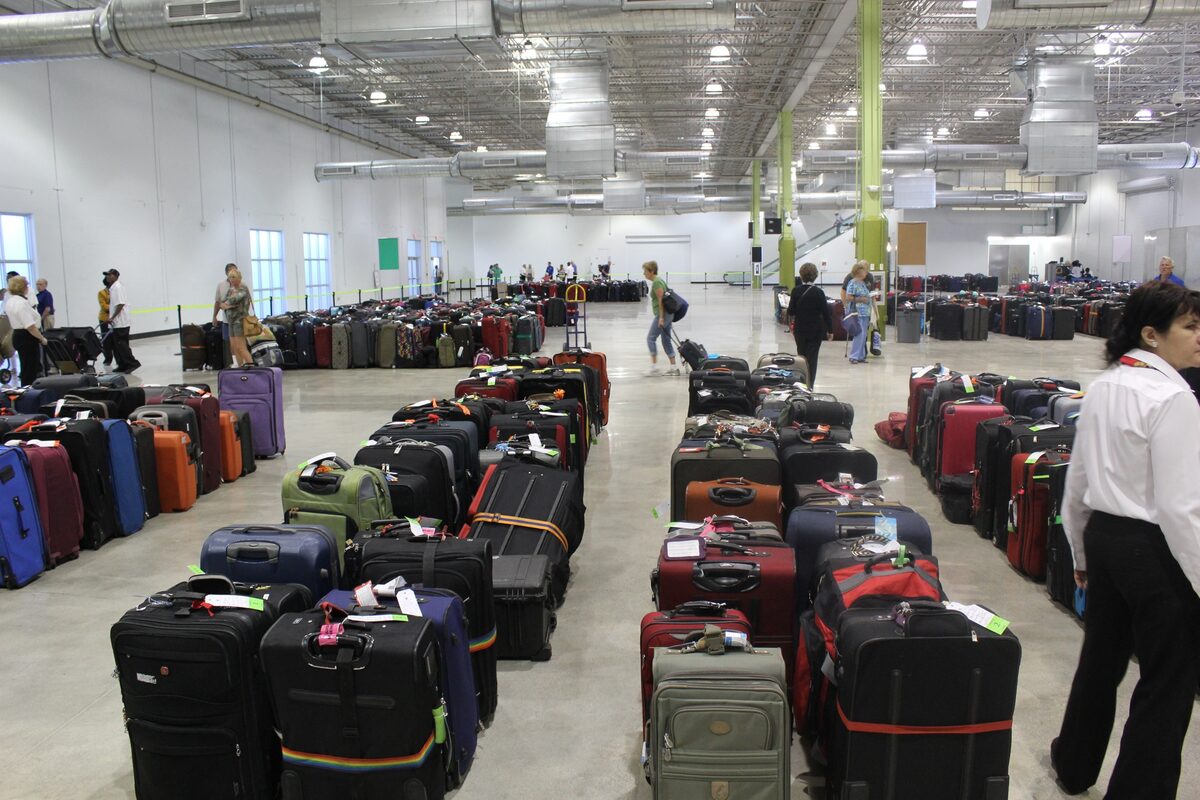
Checked luggage holds what you can live without for a few hours: most clothes, shared shampoo, sunscreen backup, and shoes for formal night if your sailing includes one. Carnival suggests one bag per person on 3–5 night cruises and two on longer sailings — verify your sailing length before everyone packs a full-size suitcase.
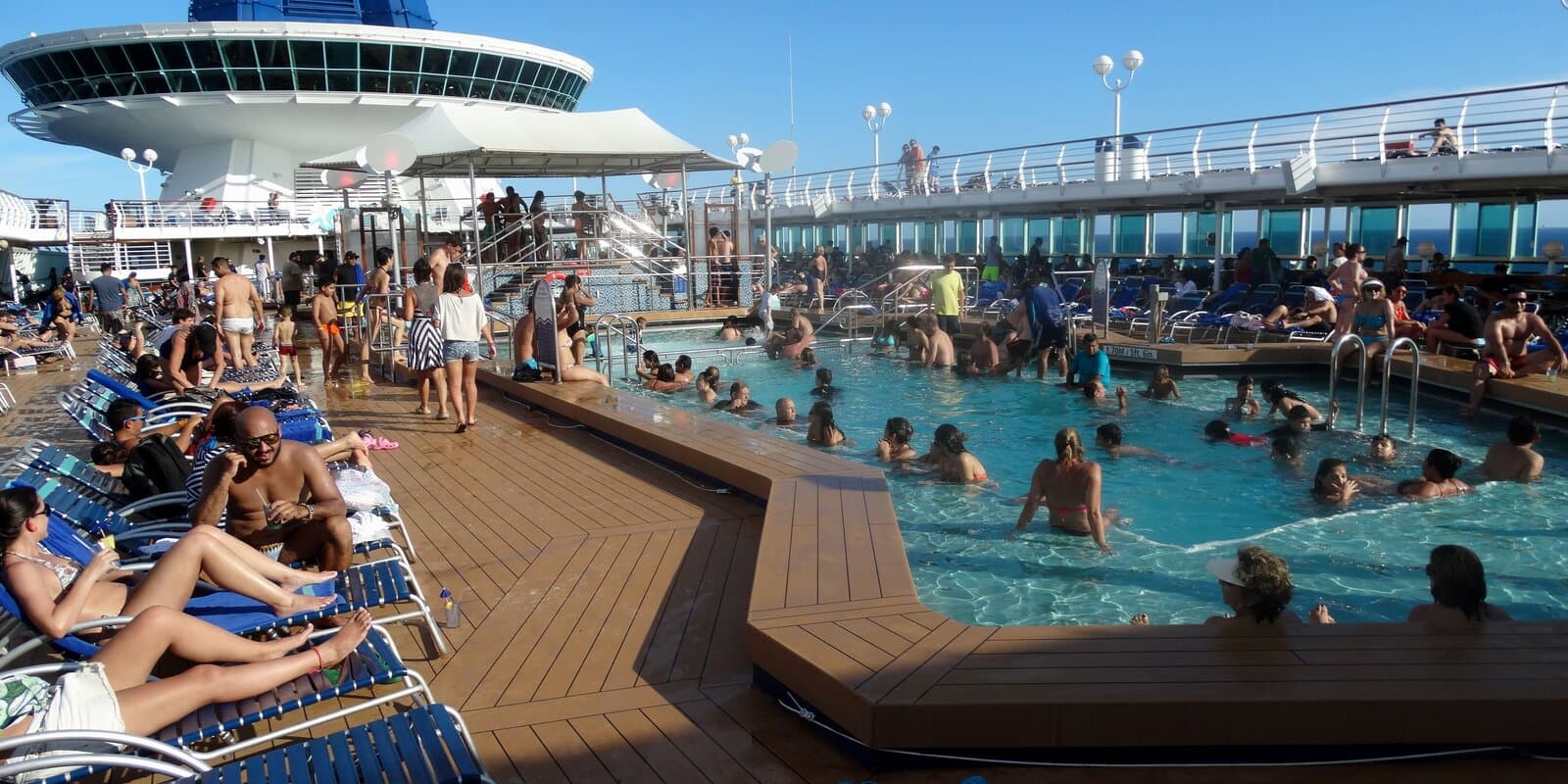
Pool days burn through outfits faster than dinner nights. Two swimsuits per kid beats five sundresses nobody wears. Pack one nice outfit per person for formal night rather than a separate wardrobe; verify your line's current dress code for the ship you booked.
How you pack depends on cabin layout. Families in connecting cabins often split one checked bag per room plus one shared carry-on for embarkation essentials. A single interior cabin for four may force compression cubes and ruthless outfit repeats — plan for that before zip-lock bags multiply.
What the line prohibits (and what to buy onboard instead)
Carnival publishes its prohibited-items list on its packing help page — read the version for your line before you buy "cruise essentials" at the big-box store.
Heating appliances are banned ship-wide: irons, clothes steamers, coffee makers, toasters, and similar devices. Plan on valet laundry for a fee or shared ironing boards on most ships instead of packing a travel iron.
For beverages and coolers, the math is specific. Carnival allows a personal cooler no larger than 12"×12"×12" in carry-on for medications and small quantities of non-alcoholic drinks. Large case-pack water bottles and big coolers are prohibited in both carry-on and checked luggage. On embarkation day only, guests 21+ may bring one sealed 750ml bottle of wine or champagne per person in carry-on — anything beyond that gets held or charged corkage.
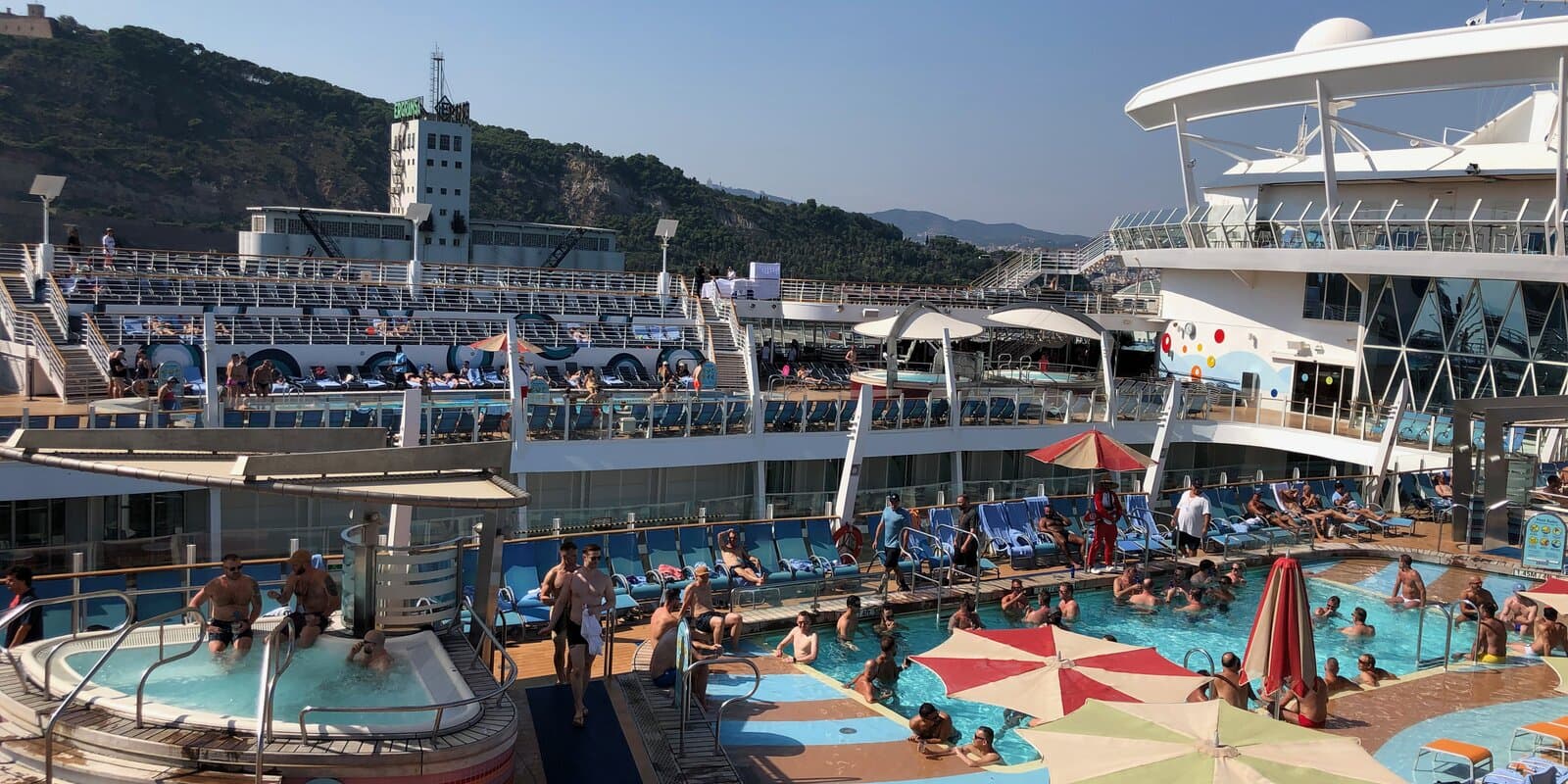
In the pool, floatation devices other than water wings are not allowed — leave the rafts and pool noodles at home even if your kids beg. Buy sunscreen, distilled water, and anything else you forgot onboard or pre-purchase through the line rather than fighting security with contraband in your stroller bag.
The leave-at-home pile that saves terminal stress
Save terminal stress by leaving these behind:
- Travel irons and Keurig pods — see above
- Case-pack bottled water — buy onboard or use the small cooler allowance
- Full-size pool floats — water wings only in ship pools
- A week of formal outfits per child — one works
- Every extension cord and multi-plug in the junk drawer — bring only what your devices need; Carnival allows some power strips without surge protectors, but security can remove anything deemed hazardous
Atlantic hurricane season runs June 1 through November 30. A light rain jacket or compact umbrella costs less than a panicked terminal-shop markup when an afternoon shower hits a summer sailing. It does not require a separate weather wardrobe.
Parents should check line rules before booking, not the night before the Uber. The leave-at-home pile is as important as what you pack.
Pack smart, then compare sailings
Build your family packing list against your line's published rules first — prohibited items, cooler limits, bag count by sailing length — then compare sailings once travel documents and cabin layout are settled. Book the sailing that fits your calendar and your kids' stamina, not the one where everyone packed steamer trunks of outfits nobody wore.
When your bags match what security expects and embarkation essentials are in carry-on, fare comparison becomes the fun part rather than another stress layer.
More from Stop Looking Start Booking