
7 First Cruise Mistakes That Can Cost You Money (and How to Avoid Them)
First cruise? Mark Bennett flags seven booking and travel-day mistakes — from travel docs to online check-in and gratuities — that can cost you money or the ship.
Understand cruising basics before you commit to a fare.

You reach the Miami cruise terminal with a birth certificate and driver's license for your closed-loop sailing. The itinerary looked straightforward until you notice a Panama partial-transit day on the map — and Carnival's travel-doc page says you need a passport book to go ashore there. The couple ahead of you in line is already on the phone with the airline.
This confused me at first, too. First cruises go wrong in predictable places: documents, check-in, budget math, cabin choice, port-day timing, and travel-day margins. None of it is secret. It is just scattered across line help pages nobody reads until something hurts.
Here is the simple version: fix these seven mistakes before you lock a fare, and the sailing gets easier. If you already cruise twice a year and know your line's rhythm, skip ahead — this list is for mainstream Caribbean first-timers booking from Florida or Texas homeports, not expedition or Europe sailings with stricter visa rules.
The document desk stops you cold
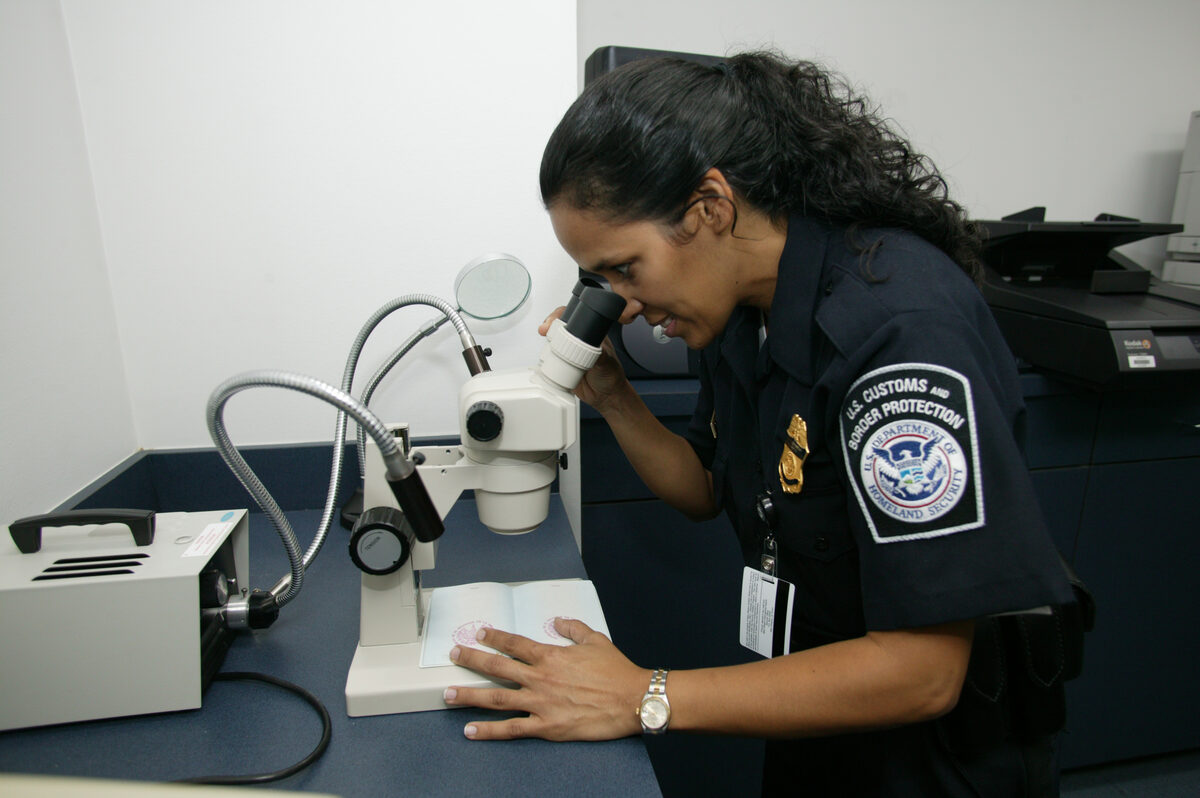
Closed-loop U.S. sailings often accept WHTI-compliant ID for boarding — think passport book, passport card, or birth certificate plus government photo ID for many itineraries. That works until a specific port does not.
Carnival's travel-doc page is blunt: proper documentation is required at embarkation and throughout the cruise. Guests without it will not be allowed to board, and no refund of the cruise fare is issued. The line highly recommends a passport book valid at least six months beyond the end of your trip, even on many domestic loops.
The surprise calls are Panama and Martinique on closed-loop sailings. Both require a passport book to go ashore. Passport card only? You stay on the ship at those ports. Families should read our kids passport guide for Caribbean cruises before assuming kids' rules match adults'.
Before you book, open the line's travel-doc page for your exact itinerary, not last year's sailing.
Check-in you cannot finish at the curb
Online check-in is not a nice-to-have. Carnival requires guests to complete Online Check-in and select an Arrival Appointment within 14 days prior to sailing, no later than midnight Eastern time the night before departure. Miss that window and you are troubleshooting at the curb instead of rolling through the terminal.
The appointment is for everyone on the stateroom to reach the terminal complex around the assigned time — not a suggestion to show up whenever traffic allows. Our first-cruise embarkation day timeline walks through what happens after you pass the document desk.
Sticker fare vs. what you actually spend
The lowest tile on a fare site is a starting point, not your vacation total.
Picture a 7-night Carnival sailing at a $549 headline fare for two guests. Add prepaid gratuities at about $16 per person per day and you are looking at roughly $224 on top of the cabin price — before drinks, Wi-Fi, specialty dining, or shore tours. That math alone has ended more "we thought we got a deal" conversations than any single upgrade fee.
Our cruise gratuities guide for first-timers breaks down who gets the daily charge and what still costs extra. Layer taxes, port fees, and the extras you will actually use before you compare one sailing to another.
Miami Caribbean sailings (7+ nights)
Live pricing · Updated daily617 packages from $499 — confirm docs and budget on each itinerary before you book.


Guarantee cabins when you need a specific room
Guarantee (or "run of ship") fares assign your cabin number later. You might land a great balcony location. You might not. That is fine when price matters more than deck and location.
It is a mistake when you need connecting rooms, a specific accessibility layout, or a midship balcony for motion sensitivity. Book the category and cabin type you require up front.
Do not plan on sweet-talking an upgrade at the pier, either. Carnival does not accommodate onboard stateroom upgrade requests when ships sail at or near capacity. Paid upgrade offers may exist before sailing, subject to availability — but the gangway is not a negotiation table.
Two clocks on every port day
Your phone flips to local time in Cozumel. The ship's daily planner still runs on ship time. The gangway closes on ship time, not whatever your lock screen says.
First-timers miss tenders, miss all-aboard calls, and panic at the pier because they mixed the two clocks. Read ship time vs. port time once before your first port day — it saves more stress than any excursion discount.
Flights that land too close to sail time
Embarkation day has a sequence: parking, security, documents, boarding, muster. A noon flight landing in Miami for a 1:00 p.m. arrival appointment on a seven-night sailing is not a plan. It is a bet against weather, baggage delays, and traffic on the port causeway.
Build buffer. If you are flying in, consider arriving the day before for week-long Caribbean sailings, especially from busy homeports. Drive-to-port guests still need to honor the arrival window — early is not always better, but late is worse.
Run this list before you compare fares
You do not need to know everything about cruising before you search. You do need these basics checked against your shortlisted sailing:
- Travel docs match every port on the itinerary — passport book if Panama or Martinique appear.
- Online check-in and arrival appointment finished before the midnight Eastern deadline.
- Total budget includes gratuities, taxes, and realistic extras — not just the headline fare.
- Cabin type fits your needs; guarantee fares only when assignment timing is OK.
- Port-day timing — ship time rules the gangway.
- Travel-day margin — flights and drives that respect the appointment, not fight it.
Run through the list against your booked or shortlisted sailing. Then compare fares when docs, budget, and timing check out.
More from Stop Looking Start Booking