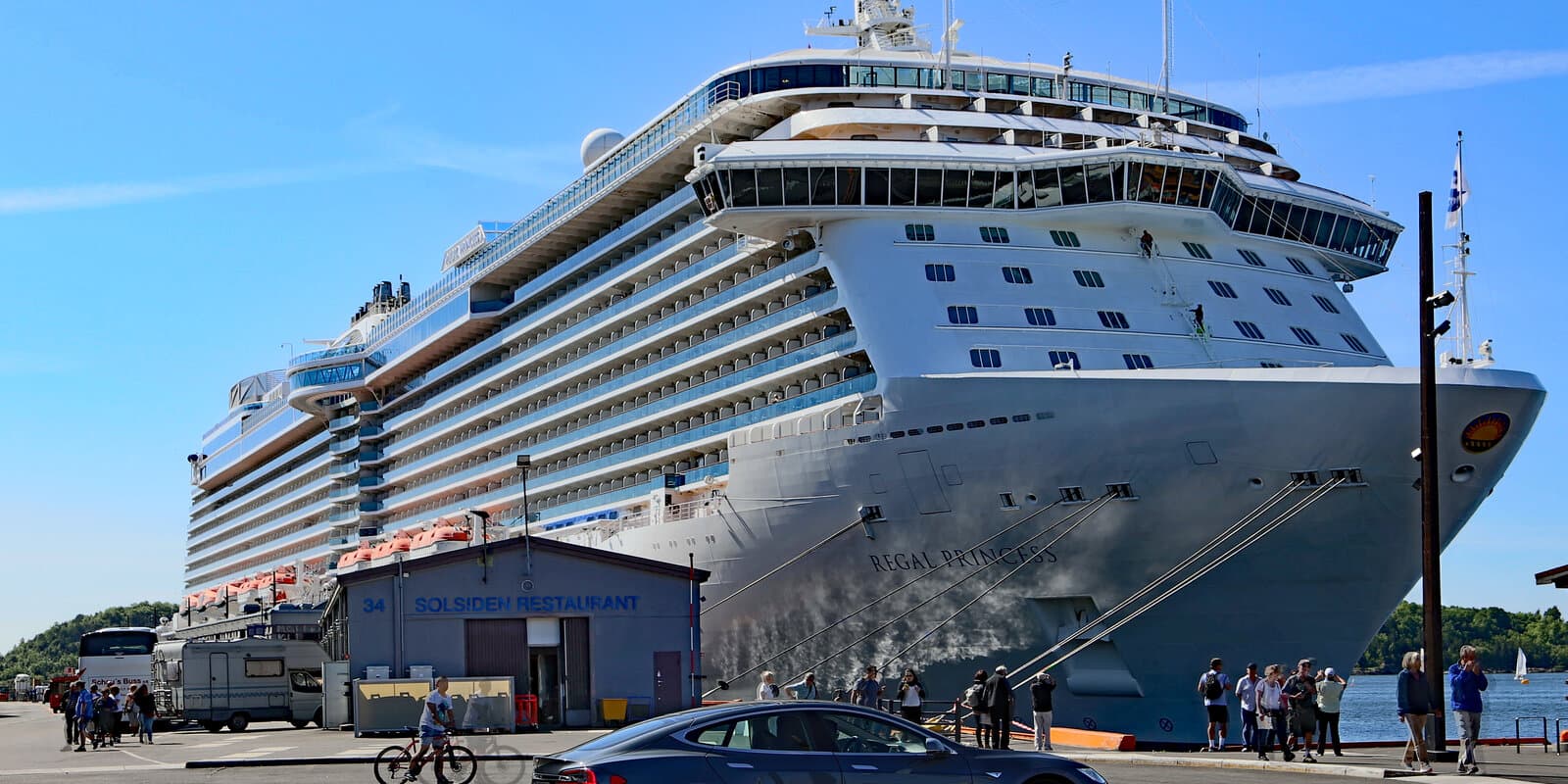

Repositioning Cruise Deals: When the Low Fare Is Real Value (and When the Math Says Skip It)
Repositioning cruises can show unusually low per-night fares, but one-way flights and sea days change the math. Rachel Morgan explains when repo deals are worth booking.
Spot sailings that are genuinely worth booking.

What a repositioning cruise is (and why fares look cheap)
You are on the checkout screen for a 17-night Barcelona repositioning and the per-night number looks absurdly low — until the site adds taxes and you remember you still need a one-way flight home from Florida.
That is the repositioning trap in one glance. Cruise lines move ships between seasonal regions only a few times a year on one-way itineraries, often with extra sea days baked in. Norwegian and Royal Caribbean both describe these sailings as seasonal moves — transpacific crossings, coast-to-coast hops, and Europe-to-Caribbean runs show up in the mix — and lines often price them below comparable standard loops because the ship has to go anyway.
The headline price looks good. The better comparison is price per night, not just total fare — and you have not finished shopping until travel on both ends is in the spreadsheet.
Run the real math first
Start with landed cruise fare per night (taxes and fees included), then add what a round-trip Caribbean week from your homeport would cost for the same number of nights. Repositioning only wins when the gap survives one-way airfare and any hotel nights you need between flight and ship.
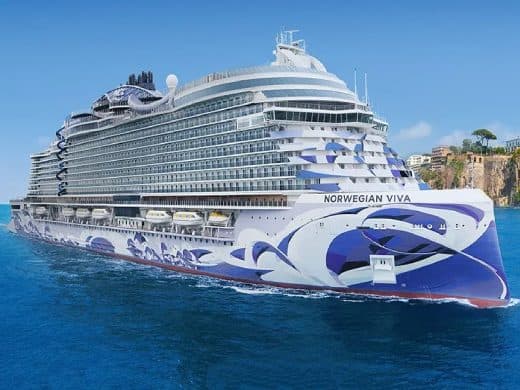
When we checked on May 27, 2026, Norwegian Viva showed a 17-night repositioning from Barcelona at about $1,479 per person — roughly $87 per night landed on our site. That is a real bookable sample, not a teaser. Add a realistic $350–$500 one-way flight to the U.S. and two hotel nights (before or after the ship), then compare that total to a 7-night round-trip Caribbean loop from your homeport before you call it a deal.
How I run the sheet:
- Divide total cruise fare by nights — compare $/night, not the biggest discount banner.
- Price flights as one-way on the disembark side; repositioning rarely ends where you started.
- Include pre- and post-cruise hotels if flights do not line up with embark or debark day.
- Check what the fare actually covers in our guide to what is included in a cruise fare — drinks, Wi-Fi, and transfers are still extras on many lines.
If the repositioning total is still lower than a familiar loop and you want the crossing itself, the fare earned a second look. If not, the low per-night number was marketing, not value.
When repo deals are genuinely worth it
Repositioning is worth booking when you want the itinerary type, not when you are trying to hack a cheap Caribbean beach week.
Signals the math still works when:
- You have date flexibility and can fly one-way without blowing the budget.
- You enjoy multiple sea days and treat the ship as the destination.
- You are comparing similar night counts — a 14–17 night repo against another long sailing, not a 7-night Miami loop.
- The per-night gap still wins after flights and hotels on your actual airports.
- You are choosing a cabin category with clear eyes — our balcony vs inside deal math post applies once you accept the route.
Retirees, remote workers, and shoulder-season shoppers often fit here. The deal is the long crossing at a low nightly rate, not a shortcut to five port days.
When to skip and book a standard loop instead
Skip repositioning if you need a round-trip flight plan, hate multiple consecutive sea days, or are booking primarily for ports — the value math only works when you want the crossing itself.
Book a standard loop when:
- Your crew needs simple logistics — families, fixed school breaks, or tight PTO rarely pair well with one-way flying.
- The itinerary is port-heavy in your head but sea-heavy on the map; read the day-by-day before you fall in love with a price.
- One-way airfare from your home airport is high or inconvenient — a cheap cruise plus a painful flight is not a package deal.
- You have never cruised and want a predictable first trip; a 7-night Eastern or Western Caribbean run is easier to plan. If repo math fails, our Eastern vs Western Caribbean route guide is the better next click than forcing a transatlantic fare.
Worth booking only when the dates and cabin type work for you. A bargain per night on a sailing you will resent is still a bad buy.
Sample fares we are seeing
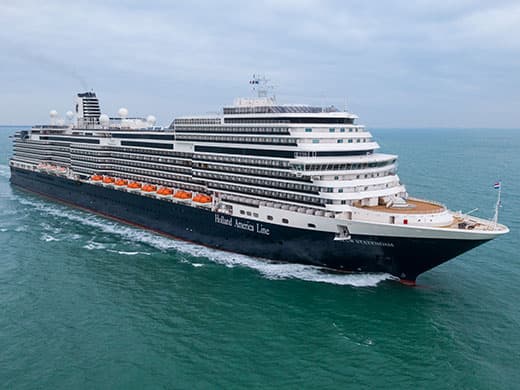
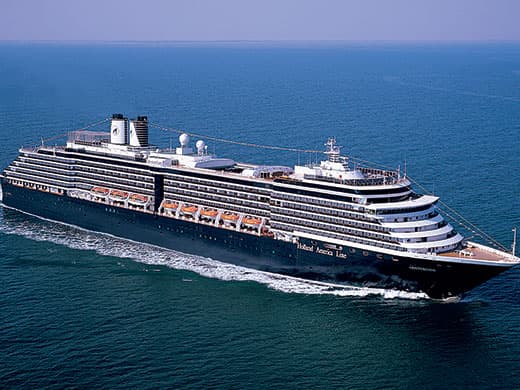
On our May 27, 2026 check, 61 repositioning sailings in the Caribbean region showed lead-ins from about $1,479 per person landed. Besides the Norwegian Viva Barcelona sample above, we also saw Norwegian Viva from Lisbon (13 nights, about $1,489, roughly $115 per night) and Holland America Nieuw Statendam from Fort Lauderdale (13 nights, about $1,504, roughly $116 per night).
Those are snapshots — prices move with cabin type and demand. Use them as anchors for your spreadsheet, not promises at checkout. Open each sailing for your dates, run the one-way flight math, and compare to a round-trip week from home before you commit.
Repositioning fares we're seeing
Live pricing · Updated dailyLowest landed prices first — confirm ports, nights, and one-way travel before you book.



Repositioning sailings worth pricing now
The headline price on a repositioning fare is the opening bid, not the final answer. Lines need to move the ship; you need to know whether your total trip cost beats a familiar loop after travel.
Search repositioning sailings that match your dates, add one-way flights and hotels, and compare price per night to a standard Caribbean week from your homeport. If the numbers still win and you genuinely want the sea days, book it. If the math collapses once travel is in, walk away — a standard sailing is not a consolation prize.
Run the sheet on the fare once, and let the total decide — not the per-night tile alone.
More from Stop Looking Start Booking