
Western Mediterranean Cruise Planning: Rome vs Barcelona Homeports and What First-Timers Should Expect
Rome (Civitavecchia) and Barcelona anchor most Western Mediterranean cruises — but flights, transfers, and port-day pace differ. Claire Donovan on how to pick the right homeport before you book.
Choose a route that matches the vacation you want.

Why Western Med homeport choice matters more than the ship name
A shopper toggles between two seven-night Western Mediterranean fares at nearly the same price. One sails from Barcelona. One sails from Rome. The Rome option saves about $200 per person on the cabin fare alone. Then they notice the Rome sailing means a 90-minute transfer from the airport, a pre-cruise hotel night near Civitavecchia, and port days that cluster Italy early in the week.
Same region on the map. Completely different trip math.
The ports tell you a lot about the kind of cruise this will be — and on a Western Med loop, your homeport sets the pace before you ever step on board. Norwegian Cruise Line and Princess Cruises both market Mediterranean sailings from Barcelona and Rome (Civitavecchia) as primary embark cities, but those two starting points feel different once you add flights, ground transfers, and how your port days stack. Before you fall in love with a ship name or a headline fare, decide whether you want a Spain-and-France rhythm or an Italy-first week. If you are coming from Caribbean cruise habits, our Eastern Caribbean port-days comparison shows the same logic applied to a map you may already know.
Barcelona as a homeport: port loop, airport-to-pier ease, who it fits
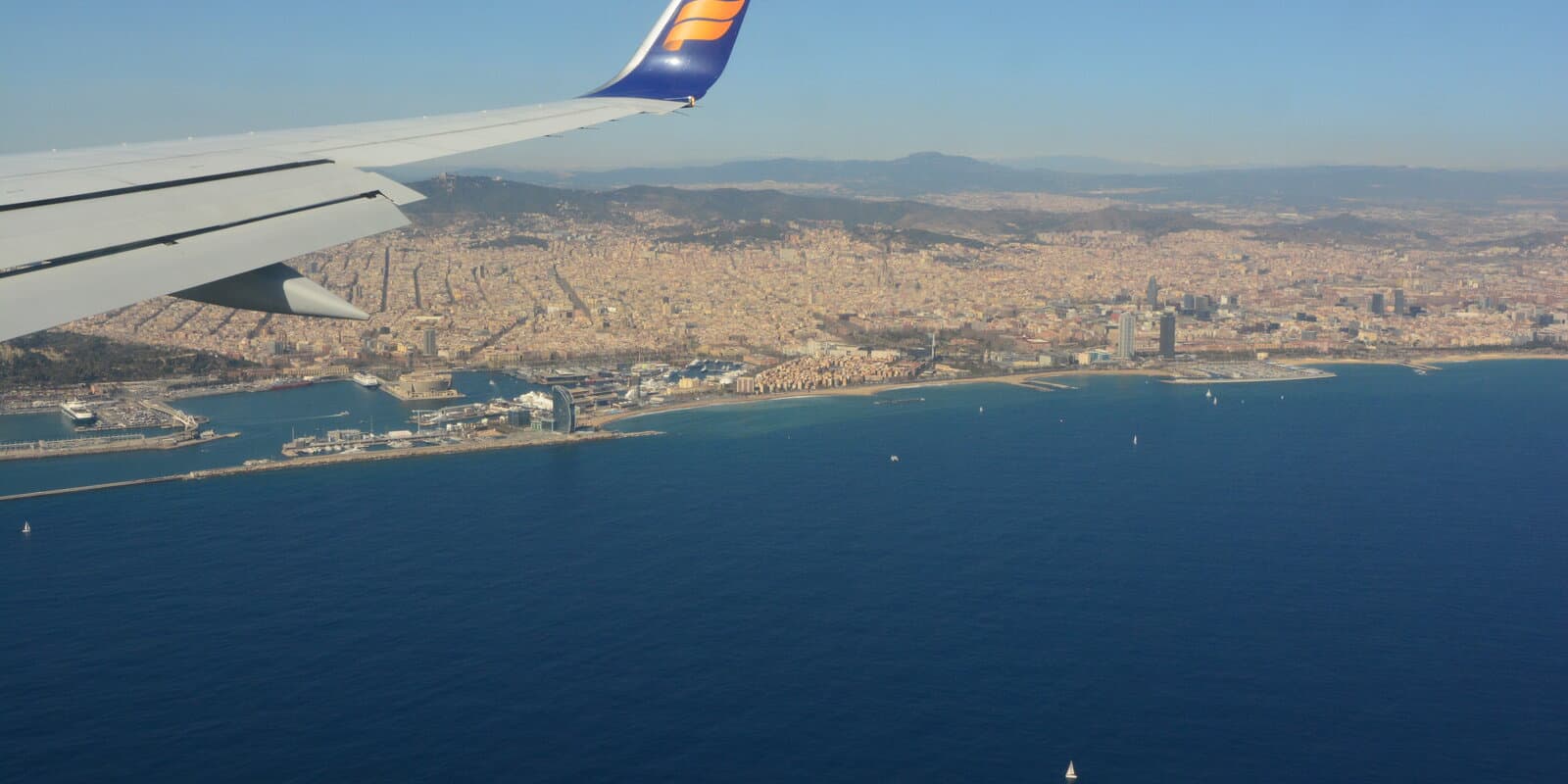
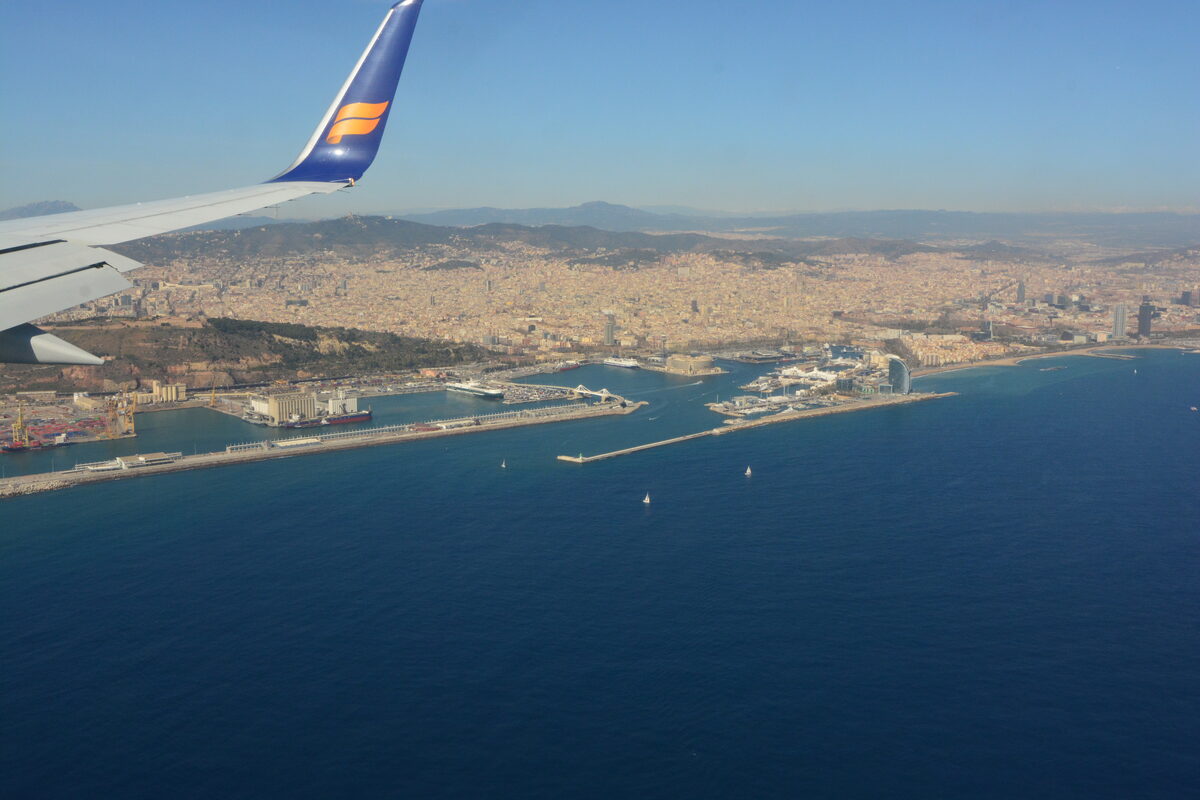
Barcelona is the Western Mediterranean homeport many first-timers picture — and the logistics often reward that instinct. The cruise terminals sit along the waterfront, and it is realistic to fly into Barcelona-El Prat, transfer to a hotel near the port district, and reach the pier without a long cross-country haul on embarkation morning.
On typical seven-night Western Med loops from Barcelona, itineraries rotate through Spain, France, and Italy port combinations. NCL sample sailings commonly call Palma de Mallorca, Marseille, La Spezia (Florence/Pisa region), and Civitavecchia (Rome) — a string that hits multiple countries with one or two sea days baked in. The rhythm tends to front-load movement across the western basin rather than anchoring you in Italy at the start.
This homeport fits travelers who want city walking time without a complicated pre-cruise commute, who like Spain-and-France port variety, and who would rather spend hotel nights in Barcelona proper than shuttle to a pier town. Worth checking arrival and departure times on each port call — even a pier day in Marseille can feel rushed if your ship arrives late morning.
Rome (Civitavecchia) as a homeport: transfer reality, Italy-heavy days, who it fits
Rome is on the marketing tile. Civitavecchia is where the ship actually sits — roughly 50 miles northwest of central Rome, usually 60 to 90 minutes by road depending on traffic and your transfer choice.
That distance changes planning. Most Rome-homeport cruisers fly into Fiumicino, then either pre-position near the pier the night before or grind through an early-morning transfer on embarkation day. Princess Cruises distinguishes Rome-led Mediterranean routes from Barcelona-led sailings with different route emphasis — often leaning into Italy and Greece extensions on eastern-leaning loops, while Western Med sailings from Civitavecchia still hit classic western ports but may cluster Italy-heavy days early in the week.
What you gain here hinges on usable time ashore — not how romantic "sailing from Rome" sounds in the brochure. Civitavecchia works when you plan extra Italy time before or after the cruise, when must-see Rome days matter more than minimizing transfer friction, and when you accept that ground logistics are part of the fare comparison. Budget an extra $150 to $250 per person for Rome-area transfers and a pre-embarkation hotel versus walking off the plane into Barcelona's cruise-terminal district.
Typical 7-night port lists compared side by side
Strip the marketing language and compare port loops directly.
From Barcelona, a representative NCL seven-night Western Med itinerary might call Barcelona, Palma de Mallorca, Marseille, La Spezia, and Civitavecchia — five distinct ports across Spain, France, and Italy, usually with one full sea day. You get geographic variety without immediately stacking long Italy excursions at the front of the week.
From Rome, the same region often swaps order so Italy-weighted days group earlier. You may still see Marseille, Barcelona, and Palma on western loops, but the embark/disembark math means your pre-cruise and post-cruise Italy plans matter more.
Neither list is universal — exact port order shifts by line and season — which is why I always open the day-by-day schedule before comparing cabin categories. The cheapest Rome fare that saves $200 on paper can lose ground once you add two hotel nights and private transfers.
Travel logistics: passports, flights, pre-cruise hotel nights
U.S. citizens need valid passports for Italy and Spain port calls and for fly-in embarkation at either homeport. Check U.S. State Department entry guidance for Italy and Spain before you lock flights — passport validity rules and Schengen stay limits apply if you are stacking land time or back-to-back Europe trips.
Flight patterns differ by homeport. Barcelona draws direct transatlantic and European hub connections that put you near the pier quickly. Rome itineraries usually mean Fiumicino plus ground transport to Civitavecchia, which pushes many travelers toward a pre-cruise hotel night whether the line requires it or not.
Do not price the cruise in isolation. A Barcelona start that costs more per person on the fare line may cost less on the full trip when you skip an extra transfer night and long shuttle on day one.
Summer 2026 context: new ships in the Med without a ship-review detour
Summer 2026 is bringing more capacity into the Western Mediterranean without changing the Barcelona-versus-Rome planning fork. Legend of the Seas is scheduled for a July 4, 2026 seven-night maiden Western Mediterranean sailing from Civitavecchia, calling Marseille, Barcelona, Palma de Mallorca, and La Spezia — the same western loop shape discussed above, now on a new Royal Caribbean ship from a Rome homeport.
That deployment matters if you were already leaning Italy-first and watching Icon-class inventory. For dates and rotation details, see our Legend departs Turku news coverage and the Legend ship guide. I am not turning this into a ship review — the planning question stays the same: does a Rome embark with extra transfer time fit your Italy plans better than a Barcelona start?
This Rome-versus-Barcelona frame fits classic Western Mediterranean loops. It does not cover Greek-island-heavy Eastern Med itineraries, one-way Adriatic routes, or small-ship luxury lines that use smaller ports like Monte Carlo or Livorno differently — different maps deserve different guides.
How to choose Rome vs Barcelona on our site
Start with homeport, not ship size. Filter Western Mediterranean sailings by Barcelona or Rome embark, open the day-by-day port list on each finalist, and compare total trip cost including flights, hotels, and ground transfers. Two seven-night fares in the same region can deliver a Spain-France rhythm from Barcelona or an Italy-weighted week from Civitavecchia with completely different ashore pacing.
Once the route shape matches how you actually want to spend port days, fare comparison gets cleaner. The right pick is the homeport that fits your transfer tolerance and destination priorities — not the tile with the lowest cabin price before logistics.
More from Stop Looking Start Booking