
Carnival Points to a Below-Normal Hurricane Season — What Caribbean Cruisers Should Know Before Fall Sailings
Carnival’s meteorologist Amy Sweezey is telling guests NOAA’s 2026 Atlantic outlook favors fewer storms — and what that means if you are eyeing a late-summer or fall Caribbean cruise.


The Story
Carnival Cruise Line released a guest-facing hurricane-season video update on June 15, 2026, trade press reports — with meteorologist Amy Sweezey walking travelers through what NOAA's 2026 Atlantic outlook means for Caribbean sailings. Sweezey points to NOAA's 55% chance of below-normal activity this season, with a forecast range of 8–14 named storms, 3–6 hurricanes, and 1–3 major hurricanes — notably fewer than the 1991–2020 average of 14 named storms, 7 hurricanes, and 3 major hurricanes.
The Atlantic hurricane season runs June 1 through November 30, with peak activity typically around early September. Sweezey notes that developing El Niño conditions tend to suppress Atlantic tropical systems, though NOAA's outlook is not a landfall forecast — one strong storm can still reshape a week's itinerary.
Carnival's message pairs the forecast with fleet operations: teams at the Fleet Operations Center in Miami monitor weather around the clock, and ships can sail away from storm activity. When itinerary changes are necessary, Carnival says guests are notified immediately through the usual channels. Trade reporting on the FOC process notes that the line often waits until roughly a day before a storm's track is clearer before confirming a port swap — a reminder that flexibility is built into hurricane-season cruising.
What this means for you
If you have been watching August–November Carnival Caribbean sailings from Florida or Gulf homeports, this update is reassurance with fine print attached. Below-normal does not mean zero risk — NOAA's own guidance stresses that one hurricane can make a bad season for anyone in its path, and a single port substitution can still scramble your beach day or excursion plans.
The practical move is to book with itinerary flexibility in mind. Favor sailings where a sea day or alternate port would not ruin the trip for your group. Download Carnival Hub before embarkation and leave room in your airport buffer on both ends of the cruise — storm-related delays are rare, but they happen. Travel insurance that covers itinerary changes is worth comparing if you are sailing peak hurricane months.
Fall shoulder season can still be smart value for flexible travelers. When we checked on June 15, 2026, Carnival Caribbean sailings on our site started from about $206 per person including taxes and fees — your dates and cabin category will differ. For route strategy — southern Caribbean vs eastern loops, and how lines handle substitutions — our Caribbean hurricane season planning guide goes deeper than a one-minute video recap.
Carnival Caribbean sailings
Live pricing · Updated dailyLowest fares first — confirm total price at checkout

Where to book instead
You do not need to avoid the Caribbean to respect hurricane season; you need to match the route to your risk tolerance. Southern Caribbean weeks that dip toward Aruba, Bonaire, or Curaçao often sit farther from typical storm tracks than short Bahamas hops from South Florida. Eastern Caribbean loops through St. Thomas or St. Maarten can be glorious in October — if you accept that the line may swap a port with a day at sea.
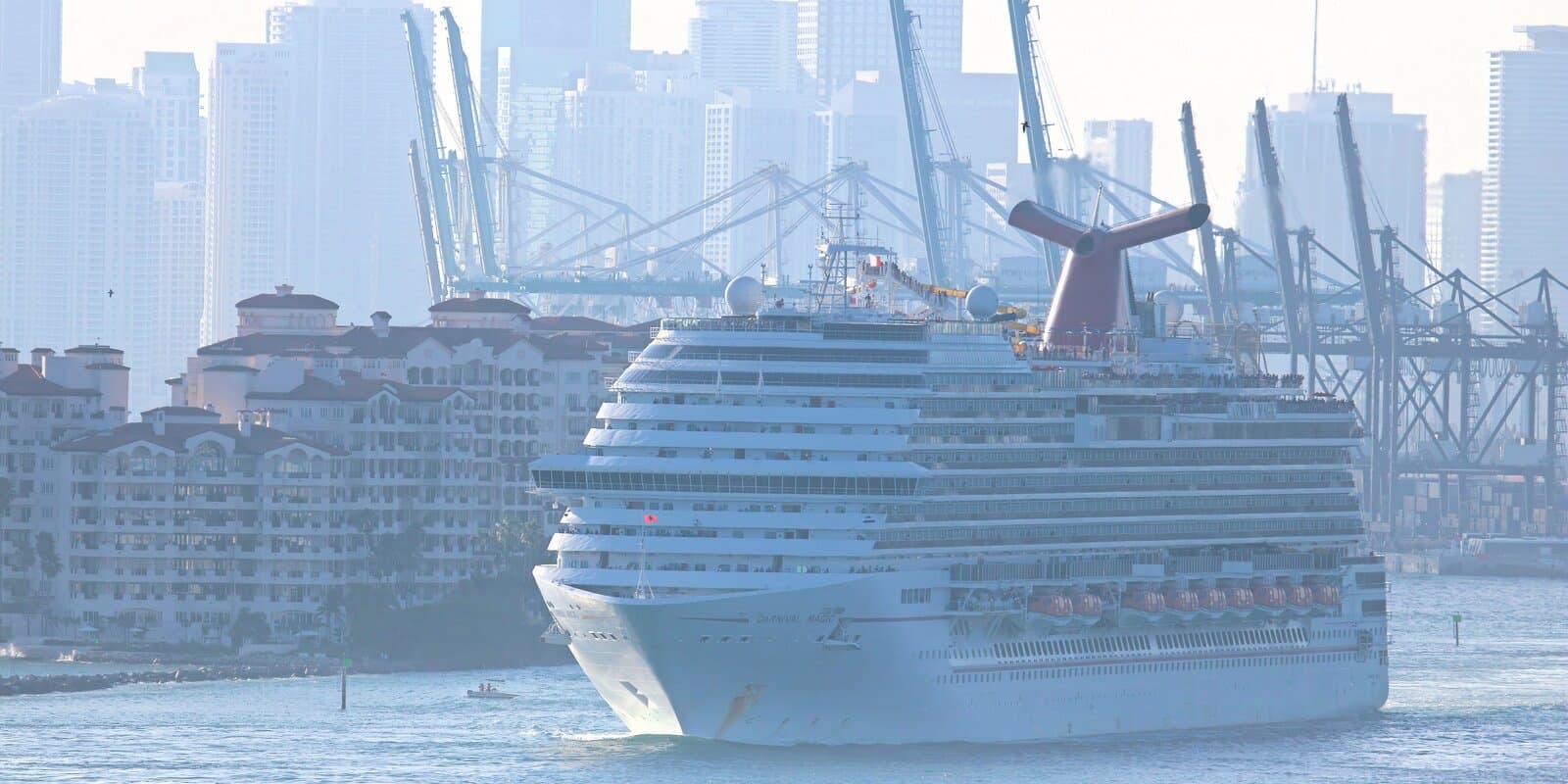
Most Carnival Caribbean inventory flows from Miami, Port Canaveral, Tampa, Galveston, and New Orleans depending on ship and season. Our Miami Caribbean planning guide covers terminal logistics and how to line up flights for fall sailings from the busiest Florida homeport.
Compare sailings below — filters start with Carnival Caribbean inventory, lowest fares first — then run checkout far enough to confirm your total before you deposit.
More from Stop Looking Start Booking