
Full-Ship Charters Explained: Why Cruise Lines Cancel Public Sailings and What to Check Before You Book
When a cruise line charters an entire ship, public bookings on that sailing disappear — sometimes more than a year out. David Harper on why it happens, what contracts say, and what to verify before you commit.
See what industry news means for your next booking.

What a full-ship charter actually means for your booking
You finish booking an August 2027 Barcelona cruise at 11 p.m., confirmation in hand, and then scroll social posts saying that exact sailing was cancelled for a private charter. Your first question is not about refunds. It is whether your cabin is still real.
A full-ship charter means the line sells the entire vessel to one organizer — a corporate group, incentive travel company, or large affinity block — and public inventory on that departure disappears. Your paid fare does not guarantee the sailing will sail as advertised to the general public. The line can remove the date from consumer sale, sometimes 12 months or more before departure, once the charter deal closes.
That is different from a partial group block, where only some cabins are held and everyone else books around them. Full-ship buyouts affect every stateroom category at once. The important question is what this changes for travelers: you are competing with a business decision the line made before your booking ever existed on the calendar.
Why lines accept charters (economics in plain terms)
Charters are not a surprise loophole. They are revenue management.
Organizers typically must buy out every cabin at double-occupancy rates, whether those staterooms were already sold to the public or not. That is a large guaranteed check. For the line, it removes empty-cabin risk on a single departure, simplifies logistics for one client, and can be more profitable than filling the ship cabin-by-cabin at promotional fares — especially on peak summer Europe dates when group demand is strong.
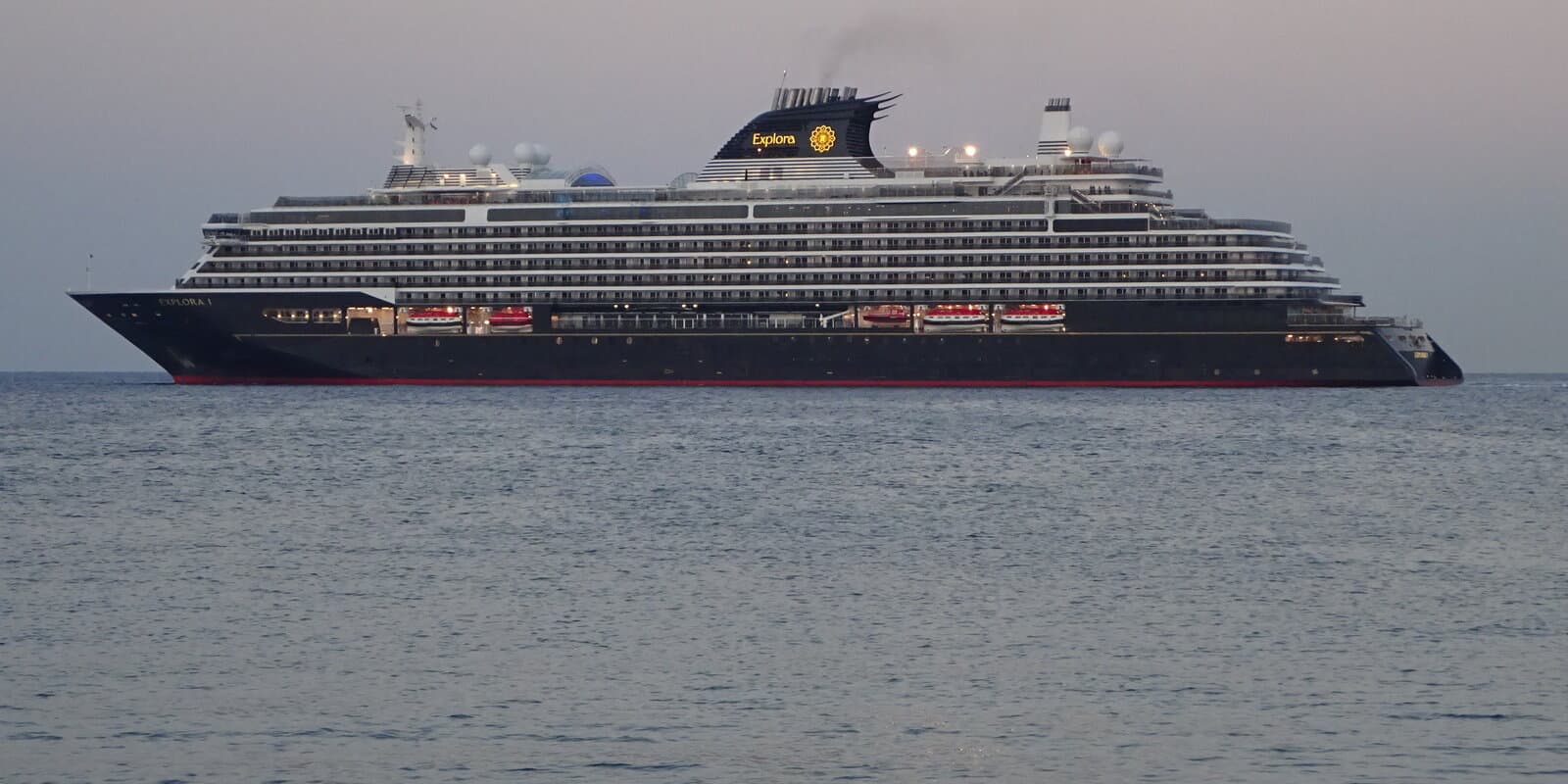
Celebrity Equinox holds up to about 2,850 guests. When Cruise Hive reported the August 12, 2027 Barcelona nine-night sailing was chartered, the economics were straightforward: one buyer took the whole ship instead of the line chasing retail fill on a high-demand week. The buyout story hits hardest for anyone booking 2027 Mediterranean summer departures and comparing ship certainty against a few hundred dollars in early-booking savings.
What ticket contracts say — and what they do not guarantee
Read the ticket contract before you assume a confirmation number locks the itinerary forever.
Carnival's published contract states that a full ship charter and a group contract other than this Ticket Contract may specify their own cancellation charge schedule. Translation: charter terms can sit outside the standard consumer cancellation table you memorized when you chose a fare type. Other major lines carry similar language — the contract defines what happens when the line cancels, not a promise that every public sailing is immune from a buyout.
What contracts generally do not guarantee is that your specific departure date will remain open to retail booking for the life of your reservation. They also do not promise that line-initiated displacement works the same as guest-initiated changes under refundable vs non-refundable fare rules. Charter cancellations are line-driven events with their own notice and remedy patterns.
What usually happens when your sailing is displaced
When a charter displaces public guests, lines typically move fast — not because they must be generous, but because rebooking thousands of people is cheaper than reputational damage on a sold-out summer ship.
On the Equinox case, reporting described a familiar package: rebook onto recommended alternate sailings with change fees waived, original stateroom pricing protected, and onboard credit for the inconvenience — $400 for suite guests and $200 for Aqua Class and below when moving to those suggested dates. Guests who did not want an alternate could take a full refund.
That pattern is common on recent charter bumps, though amounts and sailing lists vary by line and situation. In practice, displacement is disruptive but rarely leaves you stranded without options — if you respond to the notice promptly and read which alternate sailings qualify for the best credits.
Recent examples without rehashing today's news
Charter displacements are not new, and they are not limited to one brand.
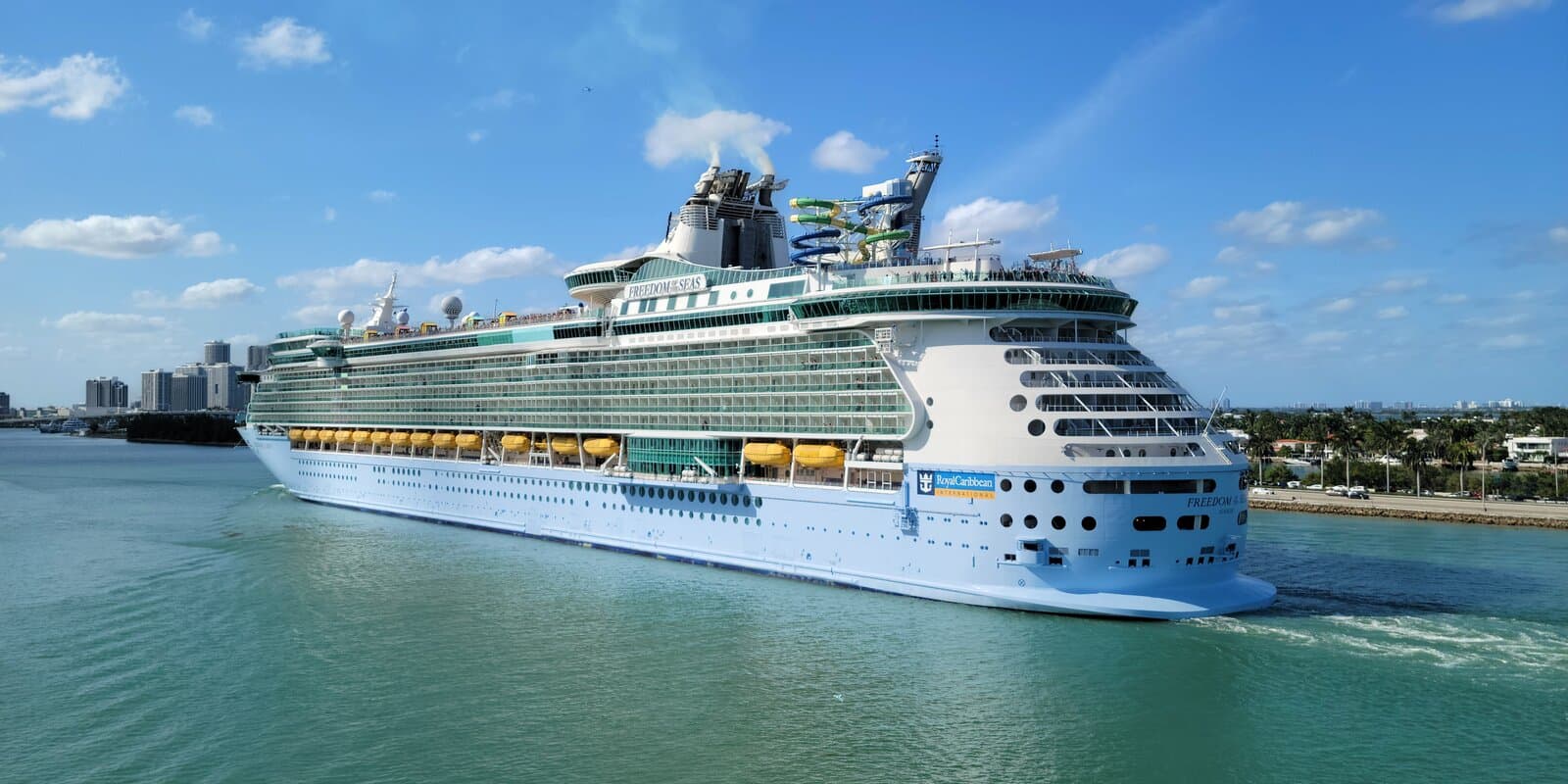
Cruise Hive tied the Equinox cancellation to earlier 2027 bumps on Royal Caribbean Allure of the Seas (March) and Celebrity Silhouette (February, including a Valentine's Day sailing). The pattern is peak-date, whole-ship buyouts on ships that group organizers want — not random Tuesday departures in shoulder season.
If you hold the August 12, 2027 Equinox date specifically, the event-level remedies and alternate sailing list live in our Equinox charter news breakdown. This post is the mechanics behind that headline.
Not every cancelled sailing is a charter. Holland America notified guests in April 2026 that two fall 2027 Rotterdam voyages were cancelled while new deployments were still being finalized — a deployment change, not a private buyout. The lesson is the same for your planning: high-demand dates can move, but charter risk has a specific economic fingerprint.
Charter risk is real but not random on every sailing. It clusters on peak summer Europe dates, holiday weeks, and ships popular with group organizers. Shoulder-season Caribbean loops and many mainstream dates rarely see full-ship buyouts.
What to check before you lock a high-demand date
Before you deposit on a summer 2027 Europe week — or any date tied to a wedding, reunion, or school break — run a short checklist:
- Scan the calendar for charter-prone windows. Mid-August Mediterranean homeport sailings, holiday departures, and incentive-travel seasons carry more buyout history than off-peak loops.
- Identify a backup sailing on the same line or a competitor with similar ports. If Equinox disappears, could you live with a Barcelona or Rome alternative a week earlier or later?
- Read your line's ticket contract for charter and group language — five minutes now beats a surprise email later.
- Keep contact details current in the booking. Displacement notices arrive by email; slow responses can mean weaker rebook choices.
- Separate fare flexibility from sailing certainty. A refundable deposit protects you if *you* change plans; it does not stop the line from moving the ship.
For Mediterranean port strategy and backup homeports, our Western Mediterranean planning guide covers Rome–Barcelona pacing without tying you to one ship name.
What to do before you lock a 2027 date on our site
It is too early to call charter cancellations a crisis for every cruiser, but it is worth watching if you are shopping 2027 Europe now.
Book the sailing that fits your ports, ship, and budget — then sanity-check charter exposure before final payment, not after. If a date is immovable because of flights or an event, weigh sailing certainty alongside fare. Sometimes paying a bit more on a less charter-prone week is the cheaper decision in stress-adjusted terms.
Search alternate options on the same route before you treat one departure as the only plan. Lines usually publish substitute sailings quickly when a charter closes, but inventory on the nearest dates moves fast once news breaks.
Peak-week pricing and sailing inventory can shift when a charter closes — yet for most Caribbean and shoulder-season bookings, full-ship charters remain the exception, not the rule. Watch the pattern, read the contract, keep a backup date in mind, and you will be ahead of most travelers who only learn the term "charter" from a cancellation email.
More from Stop Looking Start Booking