
Caribbean Family Cruises in 2026: How Parents Should Match Port, Line, and Itinerary to Their Kids
A parent-focused guide to choosing Caribbean homeports, cruise lines, and itinerary lengths that fit your kids’ ages — before you chase the lowest fare.
Plan a family cruise that fits your budget and schedule.

Drive-to Galveston or fly to Miami — pick the port first
A parent in Houston is thumb-scrolling two fares on their phone: a $399-per-person Galveston 5-night Western Caribbean sailing, and a $479 Miami 7-nighter that needs four airline tickets. The cheaper one looks like the win until they zoom into the port days — Cozumel, then Roatán back to back, with no sea day in between. Their 6-year-old does fine in the pool. Two embarkation-style mornings in a row? That is a different kid.
That is not fare shopping. That is family logistics.
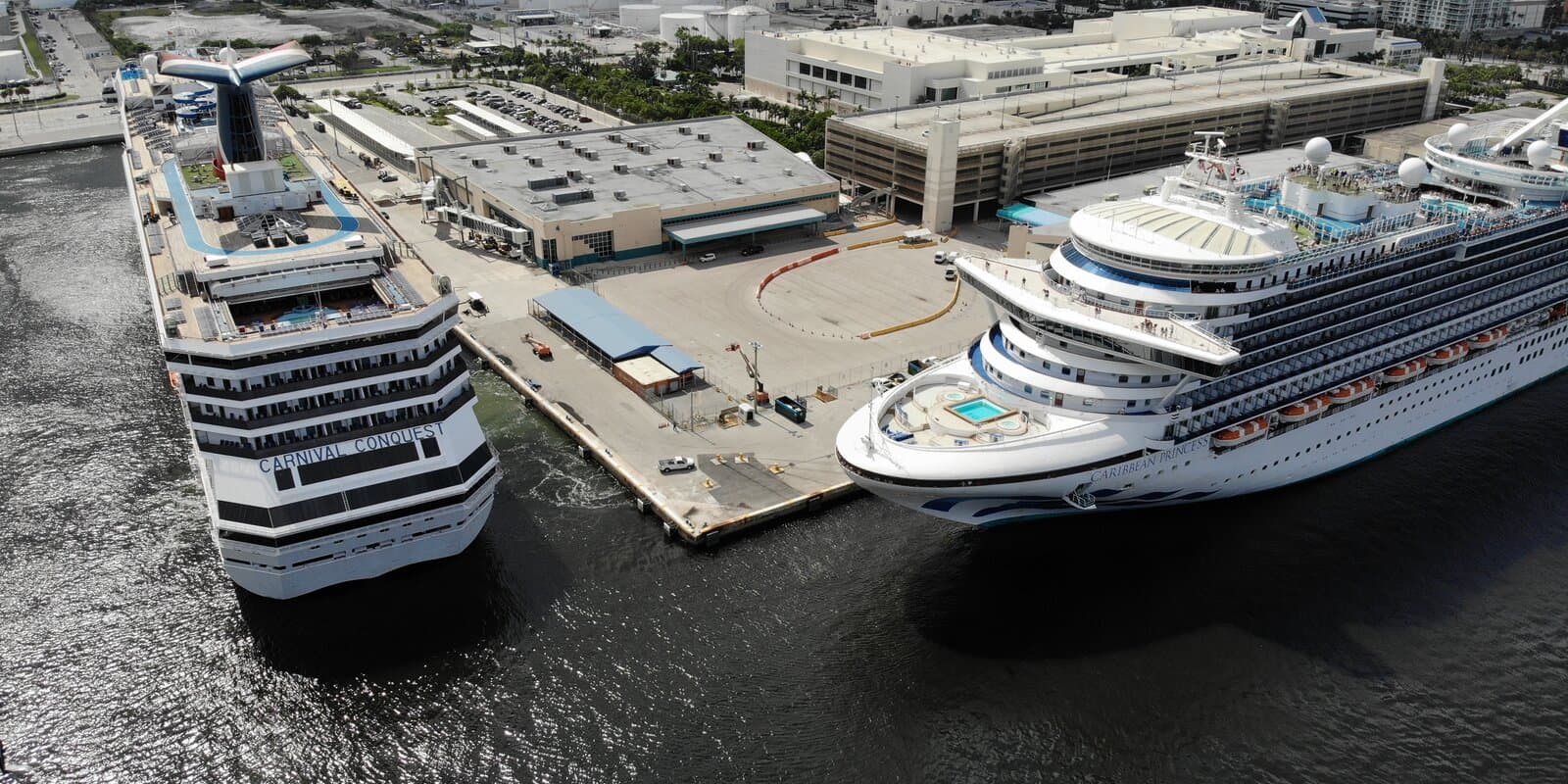
For families, convenience matters just as much as price. Homeport choice sets the tone before you ever compare Carnival to Royal Caribbean or count private-island days. A drive-to Galveston or Port Canaveral sailing can beat a lower Miami tile once gas, parking, pre-cruise hotel nights, and four Southwest seats land in the spreadsheet. Our drive-to vs fly-to homeport guide walks the parking and airport math; the Caribbean family planning article shows sample 7-night fares from about $449 per person when you are ready to compare numbers.
Parents should check this before booking: the port that keeps your crew off a red-eye flight or an 800-mile sprint often matters more than $80 off per person.
Match the ship's energy to your kids' ages
Brochure photos make every Caribbean ship look kid-ready. Youth-program age bands and ship neighborhoods tell you whether your crew will actually relax on sea days.
On Carnival Celebration, Camp Ocean serves ages 2–11, and Family Harbor staterooms bundle lounge access for families who want a quieter base near the kids club. That is a strong fit when you have a toddler and a tween and want supervised hours without crossing half the ship for drop-off.
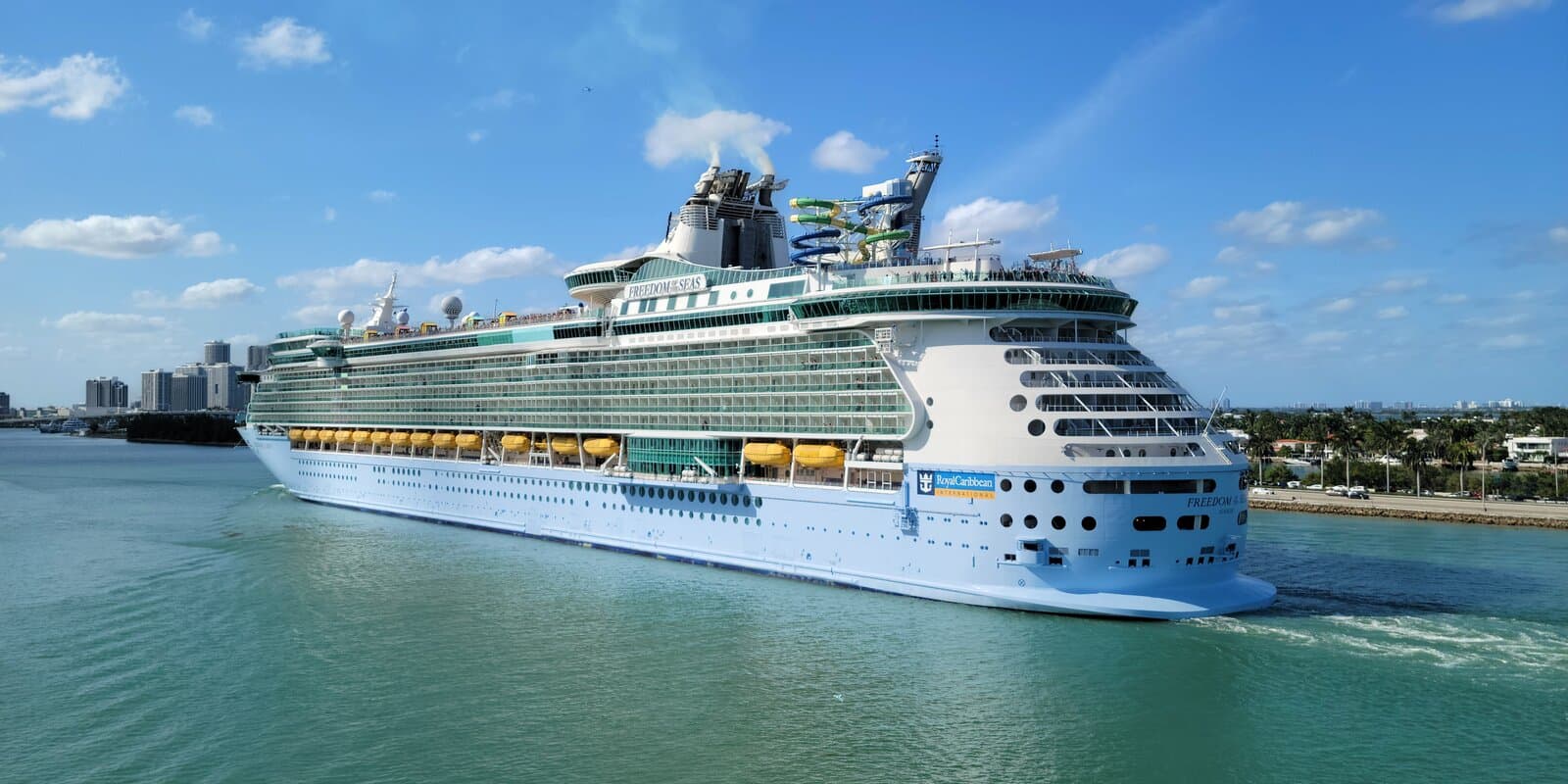
Icon of the Seas markets Surfside as a dedicated family neighborhood on a mega-ship — water-play zones, kid-focused areas, and the scale Royal Caribbean uses for 7-night Eastern loops from Miami that often include a private island day. Families who want maximum splash-deck energy and do not mind elevator waits pick that lane.
Disney Cruise Line segments youth clubs by age band, including nursery and teen spaces on its activities page. The product is built around character programming and Castaway Cay — a different value proposition than mainstream lines, not just a price bump.
Walk through one real contrast: Carnival Celebration's Camp Ocean plus Family Harbor for a family with kids 2–11 who want a Texas or Florida homeport option, versus Icon's Surfside on a 7-night Eastern from Miami for families who prioritize mega-ship water play. Same Caribbean region. Different daily rhythm. Our kid-friendly cruise ships comparison goes deeper on age cutoffs line by line.
This may look like a small detail, but it can change the whole trip when your youngest is still napping twice a day.
Four nights or seven — watch port rhythm
Itinerary length is really a question about port mornings and recovery time.
4-night Bahamas sprints from Miami or Port Canaveral pack a private island or Nassau stop into a short school-break window. Less unpacking, fewer sea days to fill, and you are home before the kids forget what day it is. Great when attention spans run short or this is a first cruise test run.
7-night Western Caribbean loops often stack active port days — Cozumel, Roatán, Costa Maya — with one or two sea days depending on the sailing. Tweens who want snorkeling and zip lines thrive here. Toddler-heavy crews can hit a wall when port calls land on consecutive mornings without a pool day between them.
7-night Eastern Caribbean routes lean on more sea time and island-hopping east — a slower pace that helps grandparents who care about elevator waits and sit-down dining. Check the exact port order on each sailing; lines publish multiple Caribbean itinerary lengths and homeport options for 2026–2028, and the day-by-day map is not interchangeable.
When comparing fares, use price per night for the whole family and add drive or flight costs. A shorter sailing at a higher nightly rate can still cost less total — and spare you a meltdown on port day three.
When Disney's premium earns its price (and when it doesn't)
Disney sailings cost more. For some families that premium buys exactly what they want: age-segmented youth clubs, character-driven programming, and Castaway Cay as a core port day. If your kids are in the sweet spot for Disney's club bands and the trip is partly about the characters, the fare gap can be rational — not mandatory, but rational.
Disney makes less sense as a default when your kids are happy on Camp Ocean or Adventure Ocean, when you are price-sensitive and the premium would eat your excursion budget, or when your crew prefers a mainstream mega-ship's variety over Disney's contained magic.
Do not quote specific nursery fees or club hours here — those change by ship and season. Verify on Disney's youth-clubs page before deposit. The trade-off is programming and pacing, not a universal "best for every family" label.
If your kids are old enough to entertain themselves and you prioritize adult dining or quieter sea days, a smaller ship or adults-forward line may fit better than the kid-focused mega-ships this guide emphasizes. A 4-night Bahamas sprint can also beat a 7-night loop for families who do not want repeated embarkation-style mornings.
Compare Caribbean family sailings
Once homeport, line, and nights are on your short list, open real sailings — not just the fare tile on a banner.
Filter by your embark port, minimum nights, and dates that match school breaks. Confirm youth-program age minimums on your exact ship, count sea days between busy ports, and note whether a private island day is included. The lowest per-person price is only useful if the itinerary rhythm matches your crew's energy.
Build a short list that fits your crew
Run this before you put money down:
- Homeport reality — drive radius, parking or flights, pre-cruise hotel if needed.
- Age bands on embarkation day — match each child to Camp Ocean, Surfside-adjacent programs, or Disney club tiers.
- Port rhythm — sea days between heavy port mornings; private island vs repeated tender days.
- Total trip cost — per-night math for the whole family, not the double-occupancy headline.
- Line fit — mega-ship energy vs Disney premium vs a shorter Bahamas sprint.
The best family cruise is the one that fits your schedule, budget, and energy level. When those three line up, search Caribbean sailings by homeport and nights — then compare the full trip, not just the cheapest column.
More from Stop Looking Start Booking